
Understanding Reflective Practice in ELT Teaching
What does it actually mean to be reflective as an English language teacher? For me, the best definition is so simple it's almost sneaky: to reflect is basically to look closely at your own teaching, with the purpose of getting better at what you do. I first came across this idea in a draughty seminar room at Moray House, Edinburgh (still remember the blue carpet). Our tutor, Liz, who had this calm yet slightly terrifying presence, asked us not to list what had gone well in our teaching, but what left us confused or uneasy. You could have heard a pin drop. That moment really stuck with me - real reflection isn’t about patting yourself on the back, but about having the courage to dig into what’s uncertain or unclear. Reflective practice in ELT means you’re taking a conscious, purposeful approach to thinking about your own classroom experiences. Not just remembering what happened, but asking yourself why it happened, how you felt about it, and what you could do differently. This usually means thinking about classroom dynamics, how students respond, the materials you’re using, and your own beliefs about what good language learning and teaching looks like. But why does this matter for ELT teachers? Language teaching is constantly shifting. Honestly, there’s always some new technique, tech tool, or change in what students need. Teachers who make time for reflection seem to be more ready to try new things, adapt, and most importantly, help their students succeed. I’ve noticed, whether it’s coffee in Madrid, a hurried chat in Hull, or even after-work karaoke in Osaka, the teachers who reflect (formally or not) end up being the ones their students remember for real progress.- Reflective practice connects theory to what actually happens in the classroom.
- It prompts us to shake up routines and look for ways to improve.
- It’s a really effective way to spot and respond to what students genuinely need.
- Reflection gives teachers more control and helps us feel like true professionals.
- It actually makes teachers more resilient and able to handle the curveballs classrooms throw at us.

Key Models of Reflective Practice for Language Teachers
Over the years, there’s been a steady stream of models to help ELT teachers make sense of reflection. I’ve tried out several, sometimes out of curiosity, sometimes because it was required. In Japan, for example, Gibbs’ cycle - which is brilliantly straightforward - helped me and my colleagues get past some very real cultural hesitations about self-critique. Then, working with new teachers in Edinburgh, Schön’s emphasis on thinking-on-your-feet became absolutely clutch for all those moments when lessons didn’t go to plan. Here’s a quick run-through of some key reflective models in ELT:- Gibbs’ Reflective Cycle (1988) - Breaks things down into six easy-to-follow steps: Description, Feelings, Evaluation, Analysis, Conclusion, and Action Plan. Super helpful after a lesson.
- Kolb’s Experiential Learning Cycle (1984) - Focuses on learning from experience: you do something, reflect on it, make sense of it, then try again a bit differently.
- Schön’s Reflection-in-Action and Reflection-on-Action (1983) - Makes a clear difference between reflecting while you’re teaching and after everything’s over.
- Brookfield’s Four Lenses (1995) - Suggests looking through four “lenses”: your own, your students’, your colleagues’, and what the research says.
- Rolfe et al. Model (2001) - Just three questions: What? So what? Now what? Honestly, you can use this anywhere.
| Model | Main Features | Best Used For |
|---|---|---|
| Gibbs’ Reflective Cycle | Structured stages, prompts emotional and practical analysis | Post-lesson analysis, reflective journals |
| Kolb’s Learning Cycle | Learning as a cyclical process, focus on action | Integrating theory and practice, CPD workshops |
| Schön’s Reflection | In-the-moment and retrospective reflection | On-the-spot adjustments, lesson reviews |
| Brookfield’s Lenses | Multiple perspectives, encourages dialogue | Peer observation, student feedback sessions |
| Rolfe et al. Model | Three questions, highly adaptable | Quick reflections, team discussions |
Benefits of Reflection for ELT Professionals
The benefits of reflection? They’re not just something you read in research papers. You can see them right in any staffroom that encourages honest chats about teaching. There was a colleague of mine in Sheffield - she started simply writing down her thoughts after class in a notebook. Her teaching changed so much that even her students noticed. Suddenly, both she and her learners were taking more risks, and enjoying the results. What does the research actually show about reflection’s impact?- Better teaching. Teachers tweak their approach to fit students better.
- Students more interested and involved, because lessons feel relevant and flexible.
- Bigger job satisfaction and, to be fair, less risk of burning out.
- Quicker to deal with new syllabuses, tech, curriculum changes - classroom surprises in general.
- A stronger professional identity and just more confidence, overall.
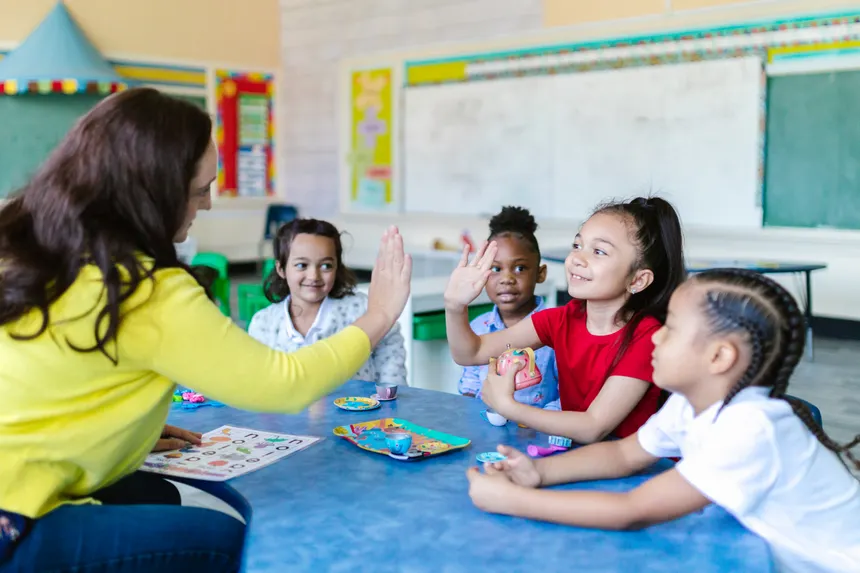
Plus, there’s something less measurable but just as crucial: reflective teachers often build classrooms where questioning, discussion, and growth are the norm. The kind of environment students remember years later. I’ve seen it happen time and again."Teachers who engage regularly in reflective practice develop a more nuanced understanding of their students' learning processes, leading to more effective and inclusive teaching."
- Dr. Maria Sanchez, TESOL Researcher
- Reflection helps us go beyond the textbook and really personalise teaching.
- It gives us permission to experiment, so teaching never gets stale.
- Working reflectively in groups creates a proper sense of community and teamwork.
Practical Steps to Integrate Reflection into Everyday Teaching
You definitely don’t need endless free hours or a special degree to start reflecting. Some of my most useful reflections have happened in five minutes with a lukewarm cup of tea, after a class finished. When I taught in Barcelona, I kept a fairly battered A5 notebook in my bag - after a tough lesson, I’d write “Why did the group work crash and burn?” Next time, I’d try something new. So, what can you actually do to make reflection a habit?- Keep a short teaching journal. After each lesson, just jot down what worked and what didn’t.
- Pick a regular time each week for reflection - honestly, even ten minutes is enough to get started.
- Try using audio or video (with everyone's consent) to watch bits of your own lessons back.
- Pair up with a colleague for peer observation or chat about lessons together.
- Ask your class for some anonymous feedback on something specific you want to tweak.
- Test out a new reflective model each term and see which one actually fits you best.
Pro Tip: If you’re brave enough to try video, start by focusing on just one thing - for example, your questions, or how long you give students to answer. Keeps it less overwhelming, I promise.
Building reflection right into your lesson planning is hugely effective too. While you’re planning, try asking:
- What do I want students to be able to do or understand after this lesson?
- How will I spot if they’ve got it?
- What might get in the way, and how will I handle it?
- One thing that worked well today was...
- One thing I’d do differently next time is...
- One thing my students found tricky was...
Comparing Reflective Practices Across ELT Contexts
Here’s the thing - reflective practice doesn’t look the same everywhere. It depends a lot on the local teaching culture, what your school expects, and the resources you’ve got. Back in Japan, I noticed reflection was usually informal and a bit private, built more into quick chats after lessons than into big written assignments. Compare that with London, where peer observations and reflective portfolios are often built into your contract. Ever wonder how it changes across universities versus private schools, or online versus face-to-face? Here’s a quick snapshot:| Context | Common Reflective Practices | Challenges/Strengths |
|---|---|---|
| Japanese Public Schools | Informal group discussions, lesson study, private journaling | Collaboration valued; time constraints limit depth |
| UK Language Schools | Peer observation, formal written reflection, CPD workshops | Institutional support strong; risk of reflection becoming a box-ticking exercise |
| Spanish Universities | Action research, collaborative inquiry, seminars | Strong research culture; can be theoretical rather than practical |
| Online/Hybrid Settings | Recorded lesson reviews, digital portfolios, virtual peer groups | Flexible and accessible; potential for isolation |
Common Challenges and How to Overcome Them
Let’s be real for a minute: as wonderful as reflective practice sounds, it often falls by the wayside when teaching life gets hectic. I know this first-hand - endless classes, piles of marking, and what feels like a never-ending to-do list. So what actually gets in the way, and how do we deal with it?- Lack of time: This is the big one. Reflection just slides to the bottom of the list.
- Fear of criticism: Some worry that being honest about challenges will make them look weak.
- School culture: If your institution prizes paperwork over real learning, reflection might feel like a box-ticking exercise.
- Unclear purpose: If you don’t know what you’re aiming for, it’s easy to lose motivation and just go through the motions.
- Isolation: Lone teachers often find it hardest to keep reflecting regularly (I’ve definitely felt this in smaller schools).
Pro Tip: Start with small, regular steps. Pick one lesson a week to reflect on, share your thoughts with a trusted colleague. Consistency counts for far more than going all-in just once.
Here’s what can help:
- Stick to short, focused prompts so reflecting doesn’t feel like another chore.
- See reflection as a way to learn, not an exam. Noticing progress is just as important as spotting problems.
- Find a colleague or group to reflect with, even just once a month.
- Ask your school if you can set aside a little time for reflection - sometimes ten minutes is all you need.
- Link your reflection to real goals, like upping student participation or testing a new teaching approach.
Actually, I once worked at a Leeds school where someone set up a “reflection wall” in the staffroom. We left sticky notes each week with ideas we’d tried or little wins and lessons learned. Took just minutes, but honestly, it did wonders for morale and our practice."The biggest mistake is to see reflection as an extra task. In reality, it’s the thread that connects our daily actions to long-term professional growth."
- Dr. Tomoko Hayashi, JALT
Expert Insights: The Impact of Reflection on Teacher Development
But what do the experts really say about reflection in ELT? Well, the research is pretty convincing. In one British Council survey, 78% of teachers who regularly reflected said they felt more confident and adaptable in their jobs. Even more telling: those same teachers had higher job satisfaction and were less likely to burn out. So, reflection isn’t just a nice idea - it’s a genuine factor in positive change. Teachers who reflect are more likely to:- Try out new approaches, and roll with curriculum changes
- Respond to all sorts of learner needs more flexibly
- Step into leadership roles, formally or informally
- Help build a friendlier, more collaborative staffroom culture
Numbers back this up. For instance, several CPD research articles show that schools where reflection is the norm see better results for students and happier, more loyal teachers. And experts keep coming back to the transformative side of reflection:"Reflective teachers are not only better practitioners, but also the ones who inspire innovation and resilience within their schools."
- Prof. David Little, Trinity College Dublin
- Dr. Anne Burns (Sydney): “Reflection helps teachers see beyond immediate classroom issues and connect with broader educational purposes.”
- Prof. Simon Borg (Malta): “Sustained reflection - especially when shared with others - is one of the best predictors of professional growth.”
Start Your Reflective Teaching Journey for Lasting Professional Success
Where to begin? Step one is just giving yourself a moment to pause and ask, “What am I really learning about my teaching?” If you make a habit of stopping to ask that, big changes can follow. I’ve seen this happen in my own classrooms, whether in the UK, Spain, or Japan, and with more teachers than I can count. Need some extra support? Try joining a reflective group or finding a mentor through The Council. The Propannex Council’s resources for CPD and provider recognition all prioritise reflective practice.
Pro Tip: Give yourself a monthly “reflection challenge.” Focus on one area of your teaching (maybe how you give feedback, or how you group students) and track what you try and what happens.
Another idea: start a digital collection of your reflections, or set up a WhatsApp group to swap notes and moral support with colleagues. There’s plenty on CPD to get you started. Let’s be honest: reflection is not an optional extra. It’s the backbone of engaged, energised teaching. When you make it a small but regular part of your week, you don’t just develop professionally - you bring more energy and new ideas into your classroom. And, really, you enjoy teaching more. So why not just start today? Your future self - and your learners - will be glad you did."It’s not about finding the ‘right’ answer, but about cultivating the habit of asking better questions about your teaching."
- Dr. Sue Garton, Aston University