
Understanding the Unique Needs of Young English Learners
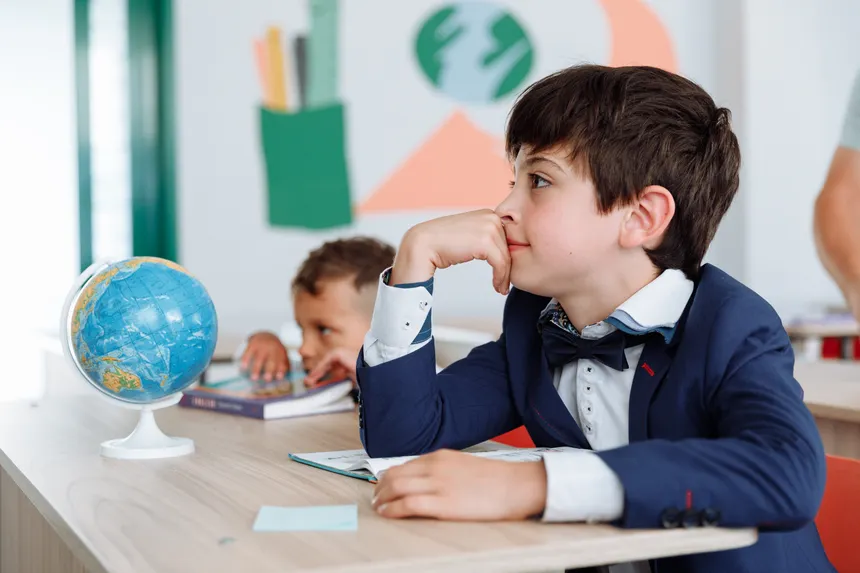
Teaching English to young children really is its own world. Their brains, emotions, and social skills are still very much works in progress - and that seeps into absolutely everything they do in the classroom. I’ll never forget my first year teaching in Osaka: there was a five-year-old boy who’d only talk if he could clutch his favourite dinosaur. Funny how tiny things like that can mean everything for a child’s sense of security. Young kids take in language with their whole selves. They soak up meaning from context, habits, and repetition, catching onto the rhythm and sound of English long before any grammar makes sense. And they only really learn when all their senses get involved. Honestly, attention spans at this age are fleeting, and curiosity can sometimes lead to utter chaos. But there’s a reason for it: for these learners, feeling safe is non-negotiable. Unless they feel emotionally secure, they simply won’t risk trying out new words.- Rapid language mapping: Young minds snap up new sounds and words at lightning speed, especially if you wrap it up in play or a song.
- Short attention spans: You need to keep lessons lively and split into quick, manageable bursts.
- Physical learning: In my experience, kids remember best when they’re moving, touching things, or following strong visual cues.
- Emotional connection: Trust, routines, and a bit of warmth make it safe enough for them to have a go.
- Social interaction: Working with friends matters hugely - children copy each other, try things out together, and work out meaning as a team.
Key Principles for Successful Young Learner Classrooms
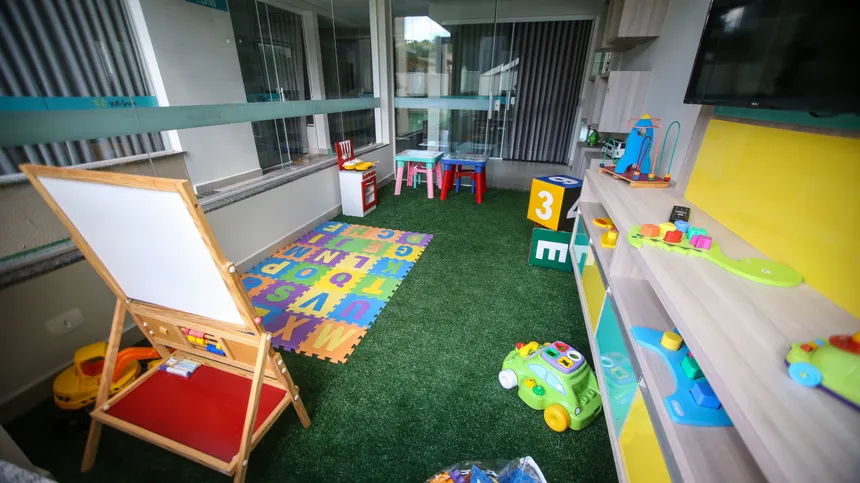
So, what actually makes things work? Over the years, I’ve seen a few core ideas come up time and again - both in the research and in the muddle and rush of real classrooms. These really are the nuts and bolts of any good English programme for young children. First off, it must be age-appropriate. Sounds obvious, but you wouldn’t hand a three-year-old a writing task, and you’d never expect a ten-year-old to find infinite delight in nursery rhymes. Activities and content should match where they’re at, what they’re into, and where they come from. The reality is often more nuanced. I once spent a term teaching in a Welsh village where the children were wild about everything farm-related. So, we made animal and tractor games our centrepiece, and engagement soared. Play-based learning isn’t optional. Here’s the thing: play is how children make sense of their world. English lessons should burst with role play, games, movement, music, and art. Really, these aren’t treats or afterthoughts - they’re the main event. And then there’s scaffolding. That’s just a fancy way of saying: give enough support so children can make the leap from “I can do it with help” to “I can do it myself.” It means breaking tasks down, showing them what to do, giving hints and prompts.- Use visual aids: Anything from picture cards to actual objects (what’s called “realia”) helps turn hard-to-grasp words into something they can see and touch.
- Keep routines: Regular greetings, songs, and familiar activities build comfort and predictability.
- Foster interaction: Pair and group work are lifesavers for shy children and get everyone talking.
- Encourage risk-taking: Celebrate the attempt, not just the right answer.
- Offer choices: Letting children pick activities or materials gives them a sense of ownership (and to be fair, it boosts motivation too).
Pro Tip: When planning your lessons, mix up the energy levels. Follow a bouncy activity like an action song with something calmer - maybe a story or drawing - to keep everyone engaged and the room under control.
From what I've seen, the most successful classrooms are run by teachers who can pivot on the spot. If something tanks, switch it out. If a child gets nervous, you slow down or make things simpler. And honestly, don’t underestimate the power of a well-timed joke or a smile - it works wonders.
Comparing Approaches to Young Learner English Teaching Worldwide
Different countries have their own unique way of tackling early English teaching. Some pour energy into speaking and listening. Others are all about reading and writing from the get-go. There’s play in many settings, but some go in for early grammar drills. It’s genuinely fascinating. Take Spain: kids there start English with a big focus on singing and storytelling very early. Japan, on the other hand, runs tight, well-structured lessons with routines and gestures. Finland (and I have to say, their reputation for education is well earned) weaves English into daily life with hardly any testing. South Korea? They mean business with early literacy and grammar, even before school starts. Here’s a quick peek at how different countries approach things:| Country | Main Focus | Typical Starting Age |
|---|---|---|
| Spain | Play, songs & stories | 3-4 |
| Japan | Structured routines, gestures | 5-6 |
| Finland | Integration through play, minimal testing | 6-7 |
| South Korea | Early literacy & grammar | 4-5 |
| UK | Topic-based, creative play | 5-6 |

Integrating Play and Storytelling in Language Learning
If you asked me to choose just two things that lift young learner English classes from ordinary to brilliant, I’d say play and storytelling. No doubt about it. They’re at the heart of how children pick up language. Play gives children space to try out English without any pressure. When they’re pretending to shop or building a zoo with blocks, they’re genuinely using the language for a real reason. Plus they’re having fun, which is a powerful motivator. Storytelling is where all the good stuff happens: rich language, new words, a safe space to experiment, and a rhythm that pulls them in. Kids adore repetition, and stories deliver it naturally, along with structure. I still laugh when I remember a class in Edinburgh where a group of seven-year-olds retold “The Very Hungry Caterpillar” - but with Scottish foods. “One haggis, two shortbreads, three tattie scones…” You just can’t script those moments.- Bring stories alive with puppets or props - you’d be surprised how much difference this makes.
- Work mini-dramas into your routines.
- Let kids act out stories, or get them to retell stories their own way.
- Make plenty of room for open-ended play - build, draw, sing, role play.
- Let your stories lead you into new activities, from art to simple science experiments. Follow their interests where they lead.
Pro Tip: When telling a story, try pausing so children can guess what comes next or fill in missing words. It keeps them tuned in, plus it’s a great way to grow their language skills naturally.
The research says it all: when play and stories are the main roads into English, children remember more words, get better at listening, and - crucially - feel more motivated. But really, it’s about so much more than skills. They start to think of English as something joyful and creative. And that, for me, is priceless.
Expert Advice on Classroom Management for Young Learners
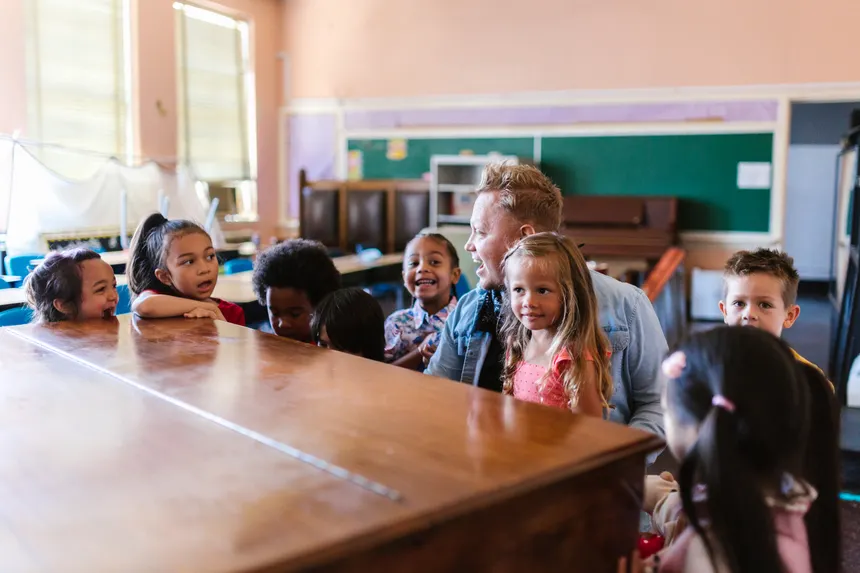
Managing a classroom full of young children is about so much more than just rules and routines. It’s about the mood and feel of the room. If you’ve ever tried calming down a class of six-year-olds in Madrid right after a party (trust me, I have - and it took more patience and deep breathing than I knew I had), you’ll know that the real work is often invisible. Children need clear, steady boundaries. But they also need kindness, a good dose of silliness, and a sense that what they say matters. Loads of research backs it: positive reinforcement - so, spotting the good moments instead of focusing on slip-ups - works better than punishments ever do.Here are a few things that help:"Effective classroom management is not about control, but about building a learning community where every child feels valued and safe to participate."
- Dr. Amina Patel, Early Years Specialist, The Propannex Council
- Visual timetables and pictures cues help kids know what’s coming up next.
- Create simple rules together - and actually revisit them, not just once at the start of term.
- Let them make some choices: even tiny decisions matter. It boosts confidence and engagement.
- Use songs and chants for transitions. Trust me, it saves your voice.
- Model calm, respectful language yourself. Children copy what they see and hear.
The Role of Assessment in Young Learner English Classrooms
Assessment for young children needs to be gentle, supportive, and just part of daily life. The goal isn’t to sort or label - it’s to fine-tune your teaching and celebrate each step forward. Formative assessment - that’s the observing, questioning, jotting down notes, and collecting their work as you go - should blend right into everyday class. There’s a place for summative stuff too, but you’ve got to keep it age-realistic: portfolios, simple self-assessments, or checklists. Not formal tests, except maybe the odd end-of-term review."Assessment for young learners should feel like a natural extension of classroom life, not a stressful interruption. Observation and dialogue are our most powerful tools."
- Lucy Grant, Primary Assessment Adviser, Cambridge
- Track language in play and group tasks with a quick checklist - don’t overcomplicate it.
- Keep samples of their drawings, or record them chatting in English from time to time.
- Ask kids to show or tell what they know - “Show me your favourite word” or “Tell me about your picture.” Such little prompts tell you loads.
- Give specific feedback - “I heard you try a new word today!”
- Loop parents in with quick updates and easy ideas for home practice.
Empowering Teachers with Professional Development Opportunities
Teachers of young learners, in my view, deserve a steady stream of support. No one walks into a classroom knowing instinctively how to manage twenty energetic four-year-olds or what to do when a child struggles to join in. We all learn as we go. And we get better by trying, tweaking, and sharing. Communities of practice - whether online or just over tea in the staffroom - are a lifeline. Honestly, I’ve got more practical insight from quick chats with colleagues in Cardiff than from any formal training. So, grab any chance you can to do a bit of training, attend a networking event, or team up with a mentor.There’s a whole world of support via Council membership, accredited training, and informal teacher networks. The real key? Keep learning, keep reflecting, and welcome feedback whenever you can."Professional development is a lifeline for teachers. It keeps practice fresh, brings new ideas, and reminds us we’re not alone in the challenges we face."
- Mark Chen, Early Years Teacher and Mentor
Pro Tip: Don’t wait for a formal course to shake things up. Try out a new activity, pop into a colleague’s class, or dive into an online discussion. Small steps can lead to huge shifts over time.
Just remember, professional development isn’t only about taking courses. It’s about staying curious, asking questions, and finding people who’ll support you. The teachers I most admire are the ones who see themselves as learners, no matter how long they’ve been in the game.
Start Transforming Your Young Learner English Classroom Today
So, where do you start? Teaching young English learners well begins with understanding, heaps of creativity, and a habit of reflecting. There’s no need to toss out what you do already. Start small. Make changes that fit the core principles, and you’ll see results.- Set up routines that make children feel safe and grounded.
- Weave play and storytelling into every single lesson.
- Watch your learners closely to work out how best to support and stretch them.
- Let assessment guide you - use it for growth, not judgement.
- Reach out to colleagues for support, training, or just a fresh idea.