
Mastering Peer Observation: Best Practices for Language Teachers
Understanding Peer Observation in Language Teaching
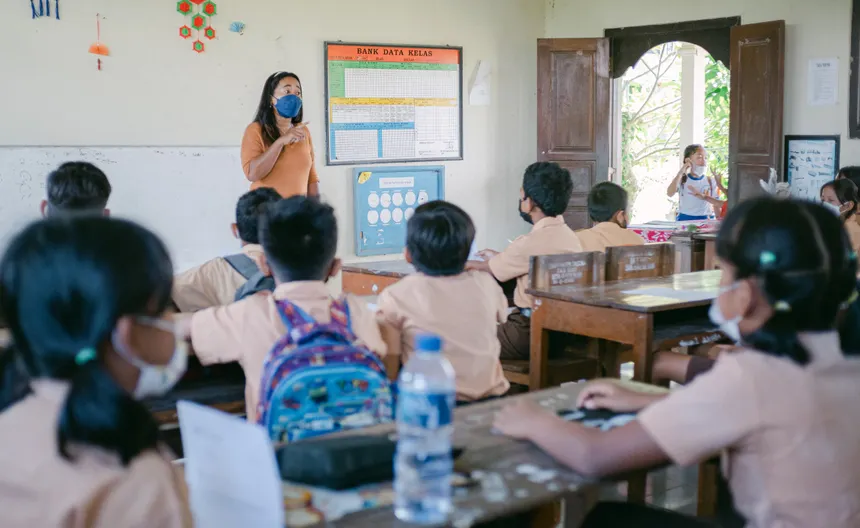
You know, peer observation is one of those things that sounds straightforward, but if you do it right, it can change how you teach in a really big way. What it actually means is teachers sitting in on each other’s lessons - not to judge or catch each other out, but to help each other improve. The whole aim? Picking up fresh ideas, sharing the little things that really work, and having a proper think about our own teaching style. When I started teaching in Manchester (tough college, lots of different backgrounds), the idea of peer observation made people a bit uneasy. Someone muttered in the staffroom, “Is this just management spying on us?” Classic. But as time went on, and we moved from the old-school ‘performance management’ vibe to something much more open and supportive, things genuinely shifted. People began dropping in on each other’s lessons to see a new way to run pronunciation activities or try out a trick for error correction. It wasn’t about policing anyone. It was about learning. So, what’s peer observation really for in ELT? It’s about getting teachers to think hard about what they do and why. When it’s done well, I’d say it helps us:- Spot patterns in our lessons that we wouldn’t notice on our own
- Swap practical language teaching ideas
- See our own classrooms from a new perspective
- Create a real sense of professional conversation and support
Key Benefits of Peer Observation for English Teachers
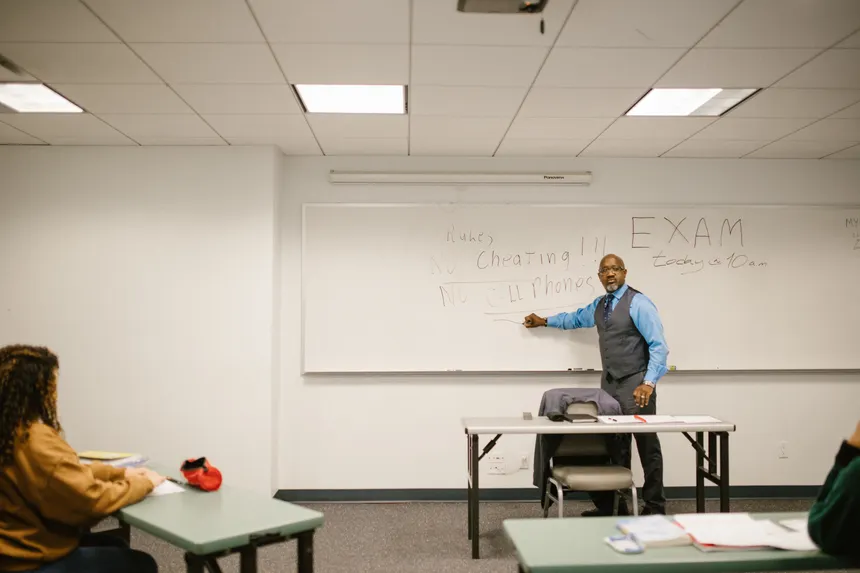
Ask any group of teachers about peer observation and you’ll get a mixed response. Some people love it, others are a bit sceptical. But if you set it up the right way, the benefits are actually pretty clear. The main thing? You get to improve your own teaching. I still remember watching a colleague down in Brighton running a ‘dictogloss’ for the first time - it made me realise my own listening lessons could be so much more creative. We both left with fresh ideas and, to be honest, more confidence to try new stuff. Peer observation also brings teachers together. Let’s be real, teaching gets lonely sometimes - especially if you’re the only EAL teacher around. But when you let a trusted colleague into your classroom, and you return the favour, you build trust and open up genuinely useful conversations. It’s a way to break out of that feeling of isolation that creeps in sometimes. Another point - and probably the most important - is that students win too. When we swap ideas for assessment, or see a new way to ask questions, those changes filter through and make a real difference to learners. Here’s what stands out:- Makes us more reflective and self-aware as teachers
- Brings in new techniques and materials
- Creates a supportive teaching community
- Helps highlight what we do well and what we might want to tweak
- In the end, helps students learn better
There was a colleague in Belfast who was really nervous about being observed. Afterwards she said, “I thought my classroom was pure chaos. Turns out, it was just lively!” Sometimes, having someone else in the room is all it takes to see yourself from a different angle."Peer observation, when undertaken as a partnership, is one of the most effective forms of professional learning. It empowers teachers to reflect, adapt and thrive."
- Dr. Anne Murphy, ELT researcher and trainer
Models of Peer Observation: Collaborative vs Evaluative Approaches
Not all observations work the same way. You’ll usually hear about two main types: collaborative and evaluative. Both can have their place, but, honestly, they feel totally different. Collaborative observation is based on partnership. Teachers agree what to focus on, sit in on each other’s lessons, and then chat about it. No judgement, just learning together. Evaluative observation, on the other hand, is much more formal - often tied to performance management or appraisals. There’s usually a checklist, maybe even a manager watching, and you might get a score. Here’s a quick comparison, to make it clearer:| Model | Features | Strengths & Limitations |
|---|---|---|
| Collaborative |
|
|
| Evaluative |
|
|
Preparing for a Successful Peer Observation Cycle
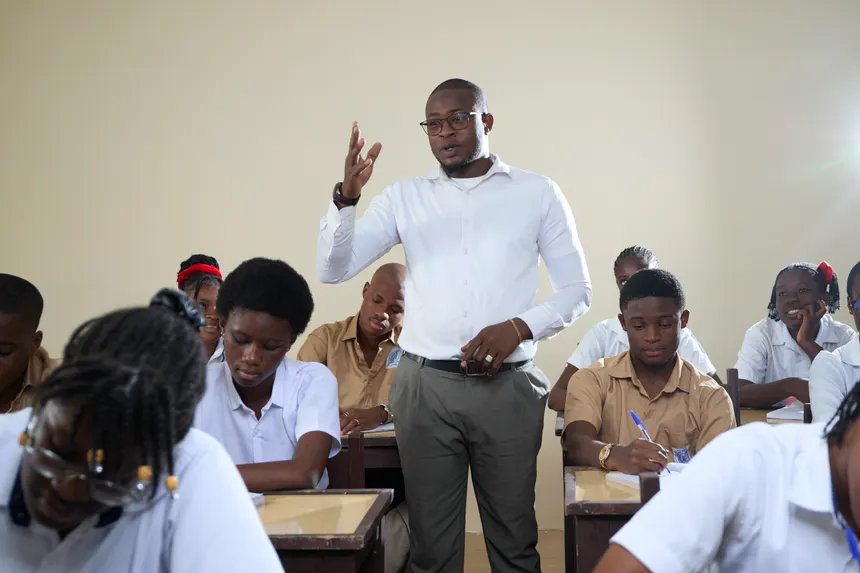
So, you’re thinking of setting up a peer observation cycle and want it to make a real difference? The prep work is just as important as the observation itself. You can’t just send an email saying, “Go watch each other next week” and expect it to work. I’ve seen that approach crash and burn - confusion, people unsure what to look for, and sometimes doors being literally closed. A good, solid cycle normally involves:- Clear aims - What’s the purpose? What do we actually want to get out of this?
- Voluntary, mutual participation wherever possible
- Pairing or grouping teachers with similar interests or goals
- Setting up observation times well in advance
- Pre-observation chats to nail down what to focus on
- Agreed rules about feedback and confidentiality
- Talk through and agree aims with colleagues
- Pair teachers up based on interests and needs
- Book in observation times early and leave time for thinking afterwards
- Hold a pre-observation chat to agree what to look out for
- Decide together how feedback will be shared (chat, notes, email, whatever works)
Pro Tip: Always have a proper briefing beforehand. Even a quick 10-minute chat about what you want to get from the lesson and what to look for clears up confusion and helps everyone relax.
And don’t forget, the more teachers are involved in planning the cycle, the more open and honest they’ll be. I once worked with a school in Leeds where everyone helped design their own observation focus questions. That sense of ownership made all the difference.
Conducting Observations: Practical Strategies for Language Teachers
When it comes to actually sitting in on a lesson, the little things really matter. The best observations are low-key, focused, and genuinely about learning - not nit-picking. I remember in Prague, I was observed by a colleague who scribbled away non-stop for the entire lesson. Honestly, I spent the whole time worrying what I’d done wrong (well, actually, maybe I just over-thought it, but it didn’t help). That experience taught me the value of just being present rather than being a distraction. Some practical tips that really help:- Agree together what you’re focusing on (like student engagement, use of first language, or error correction)
- Be as unobtrusive as possible - sit at the back, keep interruptions to a minimum
- Collect clear data: note down real examples, direct quotes, or patterns you see
- Use structured observation forms if they help, but don’t let paperwork get in the way
- Notice both strengths and areas that might need a rethink
- Be aware that just being there changes the dynamic a bit - that’s normal
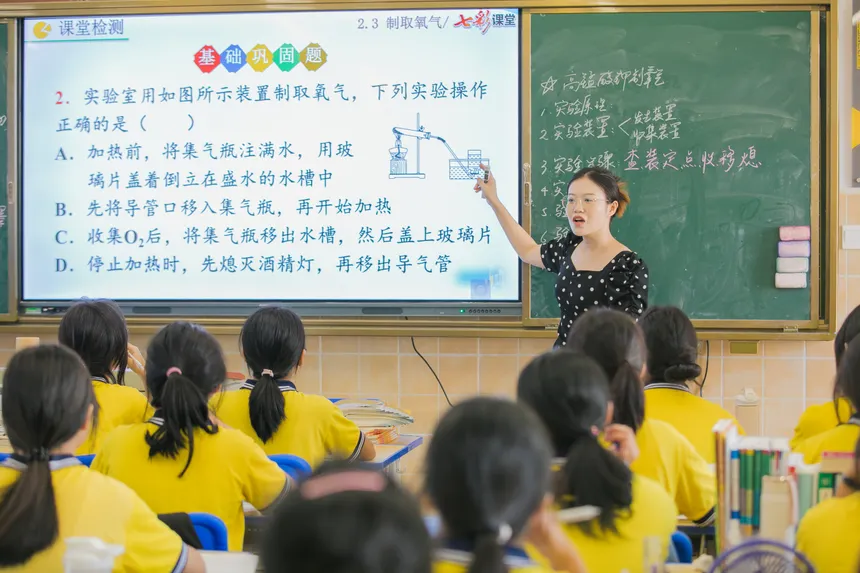
Pro Tip: If you can, tell the students why you’re there - “I’m here to learn from your teacher today!” Suddenly, everyone breathes easier.
Don’t just write down the problems. Note the positives, too. Honestly, one of the best bits of feedback I ever received was, “The students actually look really comfortable in your lessons - how do you do that?” Sometimes, we all need reminding of what’s working.
Providing and Receiving Feedback: Making Reflection Actionable
Now, feedback - that’s where things get interesting. Or tricky. Because this is where peer observation can really make a positive difference, or (if handled poorly) leave someone feeling frustrated. Go in too strong and people get defensive; keep things too fluffy and nothing changes. The goal? Make reflection actually lead to action. The best sort of feedback is:- Specific and based on what you actually saw (“I noticed when you…”, not “You always…”)
- Balanced - talk about what’s working, not just what needs fixing
- Non-judgemental and sticks to what you agreed to focus on
- A conversation, not just a one-way list
- Followed up with a suggestion or a question (“Have you thought about…?” or “What might happen if you tried…?”)
Honestly, I think people get the most from a chat after the lesson - ideally over coffee, not a formal written report. It’s just easier to be open that way. If you’re nervous about giving feedback, try the old ‘praise-question-suggestion’ trick: start with something positive, ask about an area you’re curious about, then offer a suggestion for next time."Effective feedback is both a mirror and a window. It helps us see ourselves clearly, but also opens up new possibilities for growth."
- Dr. Susan Hall, Professional Development Lead, The Propannex Council
Pro Tip: When you’re getting feedback, listen and ask follow-up questions before you start explaining your reasoning. Being curious helps way more than being defensive.
Of course, feedback works both ways. If you’re the one being observed, don’t be shy about asking for more detail. Try, “Was there a point when you saw students really get into the lesson?” And remember, the point of feedback isn’t just to reflect but to actually make a change - even a tiny tweak to your next lesson counts.
Common Challenges and How to Overcome Them in Peer Observation
Let’s face it: peer observation isn’t always smooth sailing. I’ve heard every concern under the sun - “I’m too busy”, “This makes me nervous”, “What if my colleague is critical?” All genuine worries, but none of them are dealbreakers. Here are a few classic hurdles, with some ways to get over them:- Time constraints: Block out protected time, even if it’s just one slot each term.
- Anxiety or fear of judgement: Make it clear this is about development, not evaluation. Start with volunteers and build trust gradually.
- Resistance from staff: Get people involved in designing the process and picking focus areas.
- Lack of training: Run a quick briefing or peer workshop on how to observe and give feedback.
- Confidentiality concerns: Be totally clear about who sees the feedback and how it’s used.
In one Cardiff school I worked with, we did a simple ‘peer observation agreement’ that everyone signed. It set out what to expect and kept everything confidential. It wasn’t perfect - okay, that’s not entirely true, let me explain - but it did help the whole process feel safer and more open. And if you’re stuck getting started, why not try it with a few keen volunteers first? Word of mouth really does wonders. Once colleagues see it works, others usually want in."Collegial trust is the foundation of effective peer observation. Where teachers feel safe, they are more willing to take risks and grow."
- Mark Evans, Senior Consultant, The Propannex Council
Building a Culture of Professional Growth through Peer Observation
Peer observation has the biggest impact when it’s not just a one-off thing, but part of the way a school approaches professional development. I’ve seen places where it’s woven right into the CPD culture - you can feel the difference: people pop into lessons, chat honestly about what’s going right (or wrong), and everyone’s a bit bolder in how they teach. So, what helps make peer observation last?- Celebrate examples of good practice - even just a quick shout-out in a meeting works wonders
- Link observation cycles to school priorities and professional standards
- Encourage teachers to set goals for themselves, based on observation insights
- Make sure peer observation is a regular thing, not an annual event
- Share resources and success stories at staff meetings or in newsletters
- Connect observation with other forms of continuing professional development