

Inclusive Practice in English Language Classrooms - Strategies for Every Learner
Understanding Inclusive Practice in ELT Settings
Alright, let’s not kid ourselves - inclusion isn’t just a trendy term people throw around. In English language teaching, it really sits right at the core of what makes our classrooms tick for each and every learner, not just those who happen to match some textbook “average” profile. What inclusive practice comes down to, in my experience, is shaping your lessons, materials, and classroom interactions so that all your students - no matter their background, abilities, language skills or learning needs - can get involved in a meaningful way. I've got a vivid memory from a CELTA course I observed in Manchester. The trainees who really shone? They weren’t glued to their lesson plans. They were responding in real time to a visually impaired learner, a shy 17-year-old who’d never spoken out loud in front of a group, and a teenager brand new to the UK. That’s inclusion for you - not dumbing things down, but actually removing those needless barriers that get in the way. And why does this all matter so much? Well, when learners feel like they belong, they’re much more likely to join in, stay motivated, and, to be blunt, get where they want to go. The evidence backs it up too: inclusive classrooms don’t just feel better for everyone, they actually produce better results.- Active participation: Every student is able to join in with something that matters.
- Equitable access: Tasks and resources are tweaked so nobody falls through the cracks.
- Positive identity: Learners see themselves reflected and valued in your class.
- Responsiveness: Teachers shift gears to match their group’s real needs.

Key Barriers to Inclusion in the English Language Classroom
Wouldn’t it be great if every student walked into your class full of confidence, ready to go, and totally supported? But let’s be real - it’s rarely that easy. Back when I taught in a secondary school in Leeds, my Year 9 English group turned out to have every mix of need under the sun. Some things you could see coming, but others really caught me off guard. Here are some of the sticking points teachers hit when they’re trying to be inclusive:- Language proficiency gaps: Some students are still getting to grips with the basics, while others are nearly fluent. Balancing tasks for both is, frankly, a headache.
- Cultural differences: Not everyone’s used to our way of “doing school” - from the way we sit to how we speak up in class.
- Special learning needs: Dyslexia, ADHD, autism, and other things that can shape how learners handle language (and how much they let on is another story).
- Socio-economic factors: There are kids who just don’t have books, internet, or even a quiet place to work at home.
- Behavioural and emotional barriers: Anxiety, trauma, or just shaky confidence - all of these can stop students from joining in.
Pro Tip: When you’re planning, stop and think: “Who might this activity leave out, and what can I change?” Even tiny tweaks - maybe some audio instructions, maybe a bit more time - can really tip the balance.
Honestly, facing down all these barriers at once can feel a bit much, especially when you’re just starting out. But the real trick is just noticing them first. That’s how you start to chip away at them - one lesson at a time.
Comparing Inclusive Approaches in Global English Classrooms
Here’s the thing: there’s no single way to “do” inclusion. What works in one country or city could be a total flop somewhere else. People shape their approach around what resources they’ve got, their local culture, and what the education system expects. I’ve been lucky to see some pretty different setups, from extremely streamed classes in parts of Asia to much more open and mixed lessons in Scandinavia. Here’s a quick look at how some models stack up. You’ll see that each has its bright spots - and its drawbacks.| Country/Model | Key Features | Strengths & Limitations |
|---|---|---|
| Sweden (Mainstream Integration) | All learners, including those with special educational needs, join mainstream classes. Teaching assistants provide additional support. | Promotes belonging, but relies on extensive teacher training and resources. |
| Japan (Pull-Out Support) | Students with specific needs attend separate support classes for part of the day. | Targeted support, but risks social separation and stigma. |
| UK (Differentiated Mainstreaming) | Teachers use differentiation, scaffolding, and additional interventions within mainstream classes. | Flexible, but depends heavily on teacher skill and manageable class sizes. |
| Brazil (Co-Teaching Model) | Specialist and generalist teachers jointly plan and deliver lessons. | Excellent collaboration, but requires time for planning and training. |
| Turkey (Resource Rooms) | Students access resource rooms for specific language or learning support. | Personalised instruction, though integration in mainstream classes can be limited. |

Practical Strategies for Building Inclusive English Lessons
Let’s get practical: what can you actually do in your day-to-day teaching? Here’s the secret - it’s not about one-off “wow” moments, but hundreds of small, thoughtful choices strung together. I’ve found these strategies have helped my students feel comfortable and challenged at the same time (and not just the ones with specific needs).- Differentiated instruction: Build in different levels of challenge within the same task. Sentence starters for some, open writing for others - nobody’s boxed in.
- Flexible grouping: Change up who works with whom - by ability, by background, or by interest. Sometimes a student’s best support is sitting right next to them.
- Scaffolding: Chop big tasks into chewable chunks. Use pictures, gestures, real examples - whatever gets your meaning across.
- Choice and voice: When you can, let students pick their topic, their text type, or how they want to present their ideas. Gives them real buy-in.
- Multi-sensory input: Combine as many ways of learning as you can - talking, listening, writing, drawing, moving. Everyone finds a route that works.
- Accessible materials: Go for big fonts, clear space, audio, or trimmed-down texts where needed. Don’t drown worksheets with clutter.
- Clear routines and expectations: Structure builds confidence, especially for anxious learners or those on the autism spectrum.
Pro Tip: Try starting with a “success check-in” at the top of a lesson. Ask what helps them learn and watch the responses change over time. I’ve had students come up with things I’d never have thought of.
To give you a real example: in my adult ESOL class in Glasgow, I gave out a shared reading text, but offered glossaries and audio support for those who wanted. Final task? Their choice: a written summary, a mind map, or a paired discussion. No one felt out of their depth, and everyone had something to show at the end.
- Give instructions out loud and in writing.
- Keep checking for understanding - not just once at the end.
- Build in space for peer help and quiet thinking.
- Celebrate when someone makes progress, not just when it’s perfect.
Expert Advice on Supporting Learners with Diverse Needs
Over the years I’ve been lucky to work with some truly brilliant colleagues, especially those with a passion for inclusion. Their advice is pretty consistent: don’t try to play hero and do everything yourself, but do take the time to get to know your students as people.If you’re supporting someone with dyslexia, stick to clear, tidy worksheets, simple fonts, and don’t rush them for answers. New to English? Visuals, objects, and repeatable routines make things so much smoother. And for students who act out? Well, actually, a calm, consistent approach packed with praise does more than any “consequence” system. Trust me - I’ve tried both."You can’t always spot a learning need just by looking. Quiet students, or those who seem disengaged, may have undiagnosed dyslexia or trauma. Always build trust before you build expectations."
- Dr. Lena O’Donnell, Inclusion Specialist
Pro Tip: If writing’s a real hurdle for a student, let them show what they know in other ways - voice notes, drawings, or chatting it through. What matters is their ideas, not just neat handwriting.
- Break directions down and repeat as much as needed.
- Try graphic organisers for reading or writing activities.
- Let those who fidget take movement breaks.
- Match up newcomers with a friendly peer to help them settle in.
There’s never just one “right” route, but the best teachers I know are always tinkering. They see tricky behaviour as a message, not a challenge. And they keep learning - every single term."Inclusion starts with listening. Ask your students what feels hard, and what helps. Their answers will surprise you - and guide your planning."
- Sarah Patel, ESOL Team Leader
Leveraging Technology to Enhance Inclusion in ELT
Tech - if you use it with a bit of thought - can be a serious game changer. I’ve seen students who struggled to keep up the old-fashioned way suddenly turn a corner as soon as we tried out some digital tools. But, and I can’t stress this enough, it only works if there’s a solid reason for using it. Here’s a handful of ways tech can make a difference:- Text-to-speech software: Great for students with dyslexia or visual challenges.
- Translation tools: Lifesavers for learners just finding their feet in English - less stress from day one.
- Collaborative platforms: Google Docs, Padlet and the like let even quiet students join in, often more than they would face-to-face.
- Accessible content: Subtitled videos, audio versions, interactive quizzes - more options, more access points.
- Self-paced learning: Students can go over lessons as much as they need, picking up what they missed first time round.
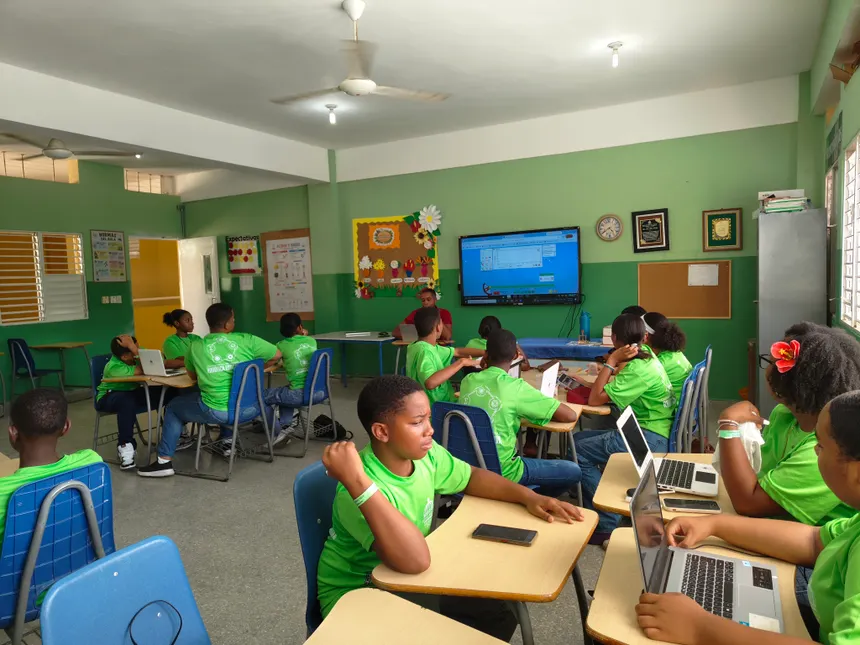
"Digital tools can level the playing field, but only if every student can access them. Always check for digital poverty before setting online tasks."
- Tom Williams, Digital Inclusion Coordinator
- Ask your learners what tech they have at home - you might be surprised by what’s missing.
- Pick platforms that work on mobile as well as desktop; not everyone has a laptop.
- Don’t let tech replace real conversation - use it to boost your teaching, not take it over.
Evidence-Based Benefits of Inclusive Practice in Language Teaching
The research is pretty clear. When classrooms are genuinely inclusive, everyone benefits - not just the ones flagged as needing “extra support.”- The British Council’s 2022 study found students in inclusive classes were around 35% more likely to feel confident speaking English outside school.
- Lessons using differentiation saw reading scores climb by 20% compared to one-size-fits-all classes (Smith & Lee, 2021).
- Schools using trauma-informed and inclusive practice saw behaviour incidents drop by as much as 40% (DfE, 2019).
I’ve had students who barely spoke suddenly step up, just because they got an extra five minutes or a different way to join in. And when one student starts to thrive, it lifts the others too - kids notice, and start helping each other. It’s how you build a class community. If you want to dig deeper, The Propannex Council regularly shares new research on professional standards and how to use evidence in practice."Inclusive practice is not just a moral imperative; it’s an evidence-based strategy for raising achievement."
- Prof. Helena Grant, Educational Researcher
Taking the Next Step - Professional Development for Inclusive ELT
So, what now? Inclusion really is a process (and yes, I know that sounds a bit “CPD-brochure,” but it’s true). The teachers I admire most are always trying something new or hunting for a fresh perspective - a moment in a webinar, a story from a colleague, something to test in the classroom next Monday.
Pro Tip: Team up with colleagues for peer observation, or try a CPD group. Some of my best ideas came during a quick debrief over coffee.
If you’re ready to build your confidence, here are some ideas:
- Join a Council membership network and trade notes with other teachers.
- Sign up for webinars or workshops from recognised training providers that focus on inclusion.
- Have a look through the continuing professional development resources - lots are low-cost or free.
- Seek out classroom case studies that match your own teaching context.