

How the ELT Profession is Evolving in 2026 - Key Trends and Strategies
Emerging Trends Shaping ELT in 2026
Honestly, the pace of change in English language teaching is a bit dizzying these days. I can still picture myself squeezed into a noisy staffroom in Delhi back in 2018, debating if interactive whiteboards would last. Fast forward to 2026, and we’re grappling with AI-fuelled platforms, connecting learners globally, and meeting students who simply expect a smooth mix of in-person and online lessons. Sometimes, I stop and think - how did everything get turned on its head so quickly? Still, it’s not just about tech. Classrooms are buzzing with more languages and cultures than ever before. There’s a noticeable shift towards inclusion: teachers aren’t only differentiating for levels, but also embracing neurodiversity, different gender identities, and a whole host of learner backgrounds. Even the word “classroom” doesn’t mean what it used to - now teachers and students connect from every corner of the world, working together live or at their own pace. Not so long ago, most of us counted on a single coursebook and one stable group of students. Now? We’re picking resources from endless digital sources and guiding communities that reach far past our school’s walls. These days, learners want a say in shaping their own journeys. They set their own targets, keep track of their progress, and expect feedback that’s personal, not generic. And teachers? We’re being nudged into the role of guides and facilitators, helping learners weave their way through a huge tangle of resources and ideas. I hear it again and again from colleagues - teaching in 2026 feels a lot more like keeping a conversation going than delivering pre-packaged lessons. Some big trends are making waves in ELT at the moment:- AI-powered learning tools - From grammar apps that adapt to you, to automated feedback on writing, AI is everywhere now. These tools don’t just spot errors instantly; they spot learning habits and suggest next steps for teachers and students alike. And AI chatbots let learners try out real-life conversations, while pronunciation tech gets right down to the nitty-gritty of individual accents.
- Blended and hybrid delivery - A ‘classroom’ could be a physical space, a virtual breakout, or even a buzzing WhatsApp group. Teachers are happily jumping between live and self-paced learning, using shared docs, video calls, and messaging apps to keep learners involved, wherever they happen to be.
- Micro-credentials and modular learning - Learners and teachers are collecting short, stackable badges and certificates. These bite-size qualifications are recognised by employers and unis, giving everyone more choice and a bigger sense of ownership over their language journey or professional path.
- Focus on soft skills - It’s not just grammar and vocab anymore. Communication, working across cultures, and digital savvy are in the spotlight. Teachers are running activities that grow empathy, negotiation, and teamwork in online spaces too.
- Growing learner diversity - Classes now mix a huge range of cultures, ages, and backgrounds. You’ll often find mature learners, school students, and young professionals learning together online, each bringing their own motivation to the table. It takes a responsive, flexible approach from teachers - trust me, you notice the difference.

Pro Tip: Stay open to experimentation. Try out new tools or methodologies with a small group first, then reflect on what works for your context.
The Impact of EdTech and Artificial Intelligence on ELT Practice
I remember the first time I saw an AI writing tool in action - it was at a conference in Prague, and I thought, “Is this honestly going to change what I do every day?” Well, actually... I was sceptical, but now I can’t imagine prepping a lesson without checking a digital resource or leaning on some automated marking. EdTech and AI aren’t just tweaking what we teach - they’re upending how we deliver, review, and think about learning full stop. Adaptive platforms now spot strengths and weaknesses for each learner and tweak lessons on the fly. Data dashboards make progress clear at a glance (and, let’s be real, sometimes catch students about to slip through the net). It goes way beyond saving time. Teachers use analytics to catch error patterns, monitor engagement, and tailor homework. Some tools now do even more: predictive analytics flag up students at risk of drifting or struggling. Plus, in some schools, AI is built right into classroom management, suggesting grouped work or new tasks based on how students are doing and their preferences. But does that mean teachers don’t matter as much? Absolutely not. If anything, our job is growing into something more - we’re interpreters, motivators, and the ones turning digital feedback into genuine moments of learning. I’ve seen this firsthand with colleagues in Barcelona: AI takes care of the slog, so teachers can focus on the good stuff - detailed feedback, creative tasks, and sparking real debate. AI is a fantastic assistant, but, honestly, nothing replaces a human’s touch for inspiring, nudging, and picking up on those odd little moments that matter most."AI is a powerful ally when it’s harnessed thoughtfully. It shouldn’t replace the human touch, but it can certainly enhance it."
- Dr. Sana Rahman, University of Manchester
Pro Tip: Before adopting any EdTech tool, check whether it aligns with your curriculum aims and your learners’ real needs. Don’t be dazzled by features alone.
- Use AI for formative assessment, not just for giving grades. That feedback loop is pure gold. For instance, AI writing apps catch repeated errors, but the teacher is the one who helps students really understand and fix their issues.
- Get students thinking about their digital lives. Who owns their data? How can they use AI responsibly? I now include regular class chats about digital citizenship and privacy - it’s become second nature to my syllabus, and students have lots of opinions!
- Mix digital and human feedback, especially on writing and speaking. Sure, AI can offer quick fixes, but peer and teacher comments give proper encouragement and fill in the gaps. I know some teachers using voice-analysis apps to boost pronunciation, others using digital storytelling for group projects. The mix works.
Adapting to Diverse Learner Needs in Multilingual Classrooms
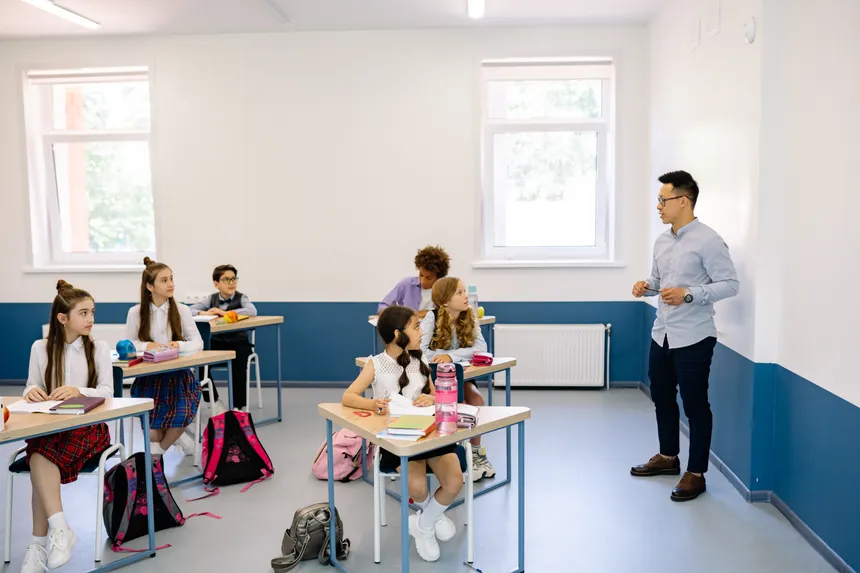
Go into a classroom in Kuala Lumpur, London, or São Paulo - you’ll see it straight away: students arrive with a whirlwind of languages, cultures, and stories. I remember teaching in Singapore where some students spoke Mandarin, others Tamil or Tagalog, and some Malay - English was the common thread tying everyone together. For teachers, this kind of diversity is both a real challenge and, honestly, a brilliant chance to rethink things. So, what helps? Teachers are stepping away from “one size fits all” resources. Instead, we’re picking and mixing, adapting tasks, and giving students more say and responsibility. Loads of us are using culturally responsive teaching, making sure the classroom content actually means something to our learners. For example, discussing world events or local news from students’ own backgrounds to get everyone thinking and talking across cultures. Making lessons inclusive also means creating a place where all learners feel safe and respected - that includes students with special educational needs or those who are neurodivergent. Teachers now get more practical training in spotting and supporting things like dyslexia, ADHD, or anxiety. Plans are built to include more visual and hands-on choices, movement breaks, and mindfulness. And we’re working more closely with support staff, so everyone gets what they need.- Build from students’ L1 - Allow code-switching and translanguaging, especially if confidence is low. Group chats can begin in home languages and shift to English when students are ready. It’s a big boost for confidence and skills, plus it shows students their identity is valued.
- Leverage peer support - Mixing abilities in pairs makes a genuine difference. Many schools run mentoring schemes, letting more experienced or older students help guide newcomers - it’s good for everyone involved.
- Offer varied task types - Try visuals, audio, and practical activities for different strengths. I’ve seen drama, music and hands-on projects light up even the quietest classes. Not everything has to be textbook-based.
- Adapt assessment - Give students real options to show their progress - maybe a project, a video diary, or an oral presentation, not just a written test. The picture you get of each learner is much richer.
- Celebrate diversity - Bring students’ cultures into class wherever you can. You could have sessions where learners share about their holidays or festivals, or read stories from different parts of the world. It’s always eye-opening, even for the teacher.
Pro Tip: Ask learners to co-create class rules and routines, especially those relating to language use and group work. It helps build a sense of belonging.
But adapting to this range of learners isn’t just about swapping resources. It’s about creating a classroom mood of respect and curiosity. In my experience, when students know their backgrounds matter, engagement leaps up - even for those who used to feel on the edges. Plus, teachers are getting more savvy about trauma-aware strategies and tackling bias, so everyone feels genuinely safe and included. Sometimes that means calling out microaggressions, tackling stereotypes, and spreading a climate of welcome.
Another thing: schools are realising parents and communities must be involved, especially where English isn’t spoken at home. Workshops, family learning, and messages in different languages all help connect school and home, making it easier for every learner to succeed.
Comparing Global ELT Approaches in 2026 - Innovations and Challenges
The ELT world has always been a patchwork, hasn’t it? What really stands out in 2026, though, is just how experimental things have got in different countries. Some places have jumped headfirst into AI and blended models; others have doubled down on face-to-face learning and community outreach. I’ve worked in rural Kazakhstan, where you might get by with chalk and talk and hardly any internet, and in Seoul, where classrooms are packed with tech and real-time translation. Both ways have their strengths - and weak spots too. Sometimes the simplest, most hands-on activities work best; other times, the latest VR gadget is what engages learners most. These differences prove that innovation isn’t just about tech - it’s about working with what you’ve got. Here’s a quick look at what’s happening around the world:| Country/Region | Key Innovations | Ongoing Challenges |
|---|---|---|
| South Korea | AI-driven assessment; virtual reality classrooms | Equity of access for rural learners |
| Brazil | Community-based peer teaching; multilingual materials | Funding for teacher training |
| UK | Personalised digital pathways; inclusive curriculum | Balancing standardisation with learner autonomy |
| Gulf States | Corporate partnerships for work-based ELT | Aligning curricula with global standards |
| India | Mobile learning platforms for remote areas | Infrastructure gaps; large class sizes |
Professional Development Pathways for ELT Educators
I’ll be honest: if you’d told me five years ago that teachers would be earning micro-credentials on their mobiles, I’d have been sceptical. Now? It’s completely normal. Teachers are jumping onto quick, targeted (often free!) courses and building up tailored portfolios of their own skills. Formal qualifications haven’t disappeared, but ongoing professional learning, honest self-reflection, and swapping ideas with peers are becoming the real markers of quality. Here’s what I keep coming across (and finding useful myself):- Micro-credentials - Short digital badges for skills like digital literacy, inclusive practice, or setting assessments. Teachers can pop these onto their CVs or online profiles, showing employers exactly what they bring to the table - makes moving between jobs, or even to another country, much easier.
- Mentoring and coaching - Peer feedback and observation are now happening online, sometimes with colleagues you’ve never met in person. Some schools have set up buddy systems, pairing up new staff with seasoned mentors for regular chats and joint planning.
- Reflective teaching journals - They’ve gone digital, and are often shared within online communities. Teachers keep blogs, vlogs, or even podcasts about their learning, and it’s sparked more discussion globally than I ever imagined.
- Action research - Mini classroom research projects, often backed by groups like The Propannex Council. This lets teachers try ideas, collect feedback, and actually influence what we all know about what works.
- Hybrid conferences and webinars - It’s easier than ever to join from anywhere in the world. You get access to well-known speakers, workshops you can use next week, and a new set of contacts, all without the exhausting travel.
Curious about these routes? Start with your own institution’s offers, or try The Propannex Council’s recognised training providers for a shortlist. These days, some schools and training organisations are expecting teachers to keep a digital portfolio, logging new skills and classroom experiments. It’s not just for job moves - it gets teachers thinking about what’s going well, what could be tweaked, and what they want to work on next. At the same time, lots of us are joining informal “learning circles” online to talk through research, swap lesson ideas, or just cheer each other on. Especially valuable in far-flung or rural areas, where official training is hard to get."Professional development is no longer a tick-box exercise. It’s about finding what’s relevant, actionable, and sustainable for your context."
- Elena Marin, ELT Trainer, Bucharest
Research-Informed ELT: Bridging Theory and Classroom Practice
For ages, there’s been plenty of talk about making research “matter” for teachers. In 2026, I’m finally seeing it really click in day-to-day practice. New research in second language learning is flying into classrooms faster than ever, usually through readable summaries or quick explainers. I recently checked some numbers from our Propannex Council research digest: in 2025, 67% of teachers we asked said they’d used at least one research-based strategy in their lessons that year. That’s a big step forward from the days when research felt distant or a bit too academic to bother with. So, what’s actually working?- Task-based learning - Loads of studies back this up for boosting real-life communication. Teachers are using real tasks - like planning events, solving practical problems, or acting out scenarios. Students seem to get into it deeply, especially when it’s connected to their own lives.
- Formative assessment - Ongoing, low-pressure feedback is everywhere now. Digital platforms let teachers grab and sort data on student progress, so it’s easier to spot who needs help (and what kind), and to adapt quickly.
- Metacognitive strategies - Students getting to grips with “how” they learn, not just “what”. Sessions on setting goals, tracking progress, and building learning strategies are popping up everywhere.
And, okay, that’s not always perfect - let me explain. Sometimes the research clashes with what you sense as a teacher. I tried a new feedback method from a recent study, but my quietest students in Manchester needed something much softer. The point is, research is your launchpad, not your fixed recipe. Lately, studies on social-emotional learning (SEL) have started shaping lesson planning, with mindfulness, resilience, and self-regulation becoming core parts of class time. These bits were once seen as “extras”; now, we know they’re essential for students facing real-life stresses. Teachers are also taking the research into their own hands, running small inquiries in their own classrooms. This shift means more teachers are adding to the evidence base, not just taking from it. That makes research feel less distant and more like something you can actually use."The best classrooms are living laboratories. Teachers who try out research-informed ideas - and adapt them - are driving the profession forward."
- Prof. David Lin, Applied Linguistics Researcher
Future-Proofing Your ELT Career - Essential Skills and Mindsets
What’s it really mean to “future-proof” your teaching in 2026? For me, it’s more about attitude than picking up every shiny new gadget. The teachers who thrive now are the ones who stay flexible, reflect on what’s happening, and are comfortable when things are a bit uncertain. Not just those who can work every bit of tech.
Pro Tip: Build your digital literacy by experimenting with one new tool per term. Keep a reflection log: What worked? What didn’t? Where did your students surprise you?
Here are a few qualities I see again and again in colleagues who are making it work:
- Digital literacy - Not just being able to use tech, but questioning whether it’s actually helping you and your students. Sometimes you have to ask - is this tool solving a real problem, or is it just new and shiny? Being picky and honest is as important as being eager.
- Intercultural competence - Navigating diversity with real openness. That means learning from your students and keeping up with what’s happening globally - because students’ lives are shaped by those events more than we sometimes realise.
- Resilience and flexibility - Going with the flow when curriculum, assessment, or school rules change suddenly. Policy shifts happen a lot, honestly. Teachers who roll with it and see change as a growth chance do best, from what I’ve seen.
- Collaborative spirit - Swapping ideas and asking for input from other teachers, near and far. This could be co-teaching, regular lesson chats, or just sharing what you’ve tried. Collaboration is the secret sauce of great teaching these days.
- Lifelong learning mindset - Taking every lesson (and mistake) as a nudge to grow. Teachers showing curiosity - and admitting when they don’t know - really set the tone for students too. Right now, growth is a journey, not a destination you reach and stop at.
Taking the Next Step - Seizing Opportunities in ELT 2026
So, what next? There’s really no single route forward - that’s what makes ELT so alive right now. You might dive into AI-supported learning, lead a new curriculum project, or just keep fine-tuning your craft with an energetic, diverse group of students. You could join a global learning network, bag a new micro-credential, or get involved in some classroom research. The bigger your network, the more possibilities you’ll spot. Loads of teachers are now working beyond the classic classroom - designing materials, working with EdTech firms, becoming examiners, or offering consultancy. Some run workshops or webinars for their peers, while others team up on international curriculum projects.And if you’re not quite sure where to jump in, Council membership opens up peer support, research digests, and plenty of chances to help shape the direction of our field. A personal note: the best career turns I’ve taken came from just saying yes to something different - a webinar, a research project, even a teaching exchange with a school I’d never heard of. What will you say yes to this year? The world of ELT is shifting fast, but it’s absolutely brimming with potential for those ready to explore and reflect. In the end, as our profession keeps morphing and shifting, the real lesson might be that change itself is here to stay. When we welcome it, stay flexible, and keep our focus on learners’ needs, both teachers and students come out stronger - whatever 2026 has in store."ELT isn’t about keeping up. It’s about staying curious, connected, and responsive. The profession is changing - and so are the opportunities."
- Dr. Nia Chen, ELT Policy Consultant