
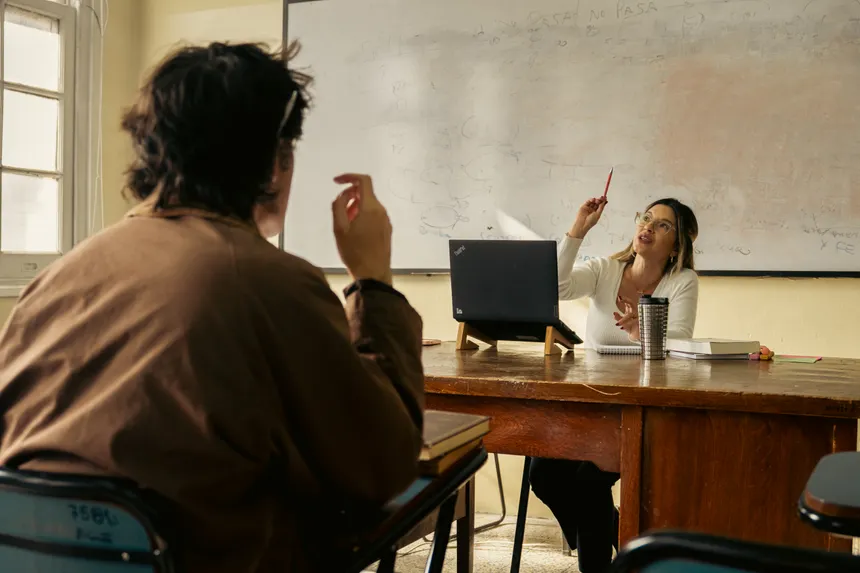
Effective Strategies for Preparing for a Teaching Observation or Appraisal
Understanding the Purpose of Teaching Observations and Appraisals
Let me tell you, I still remember my very first formal observation in Edinburgh - my heart was thumping, I had a heap of notes, and I kept glancing at the slightly wobbly table in the corner, half-convinced it would give me away. But what I didn’t quite get at the time (in hindsight, so obvious!) is that observations aren’t set up to trip us up. They’re really about helping us get better at what we do, and - ultimately - making sure our learners have the best possible lessons. Teaching observations and appraisals, honestly, tick several boxes all at once. They fit into the bigger jigsaw like this:- Quality assurance: Checking that what’s happening in class matches up with standards from the institution, the country, or professional bodies (think The Propannex Council for example).
- Professional development: Spotting your strengths and what could use a bit of work, usually tied to continuing professional development plans.
- Reflective practice: Giving teachers space to actually think about their own methods and maybe try something new next time.
- Accountability: Satisfying regulatory or workplace requirements for performance checks.
- Learner outcomes: Focusing everyone’s attention on how your teaching is landing with the students.
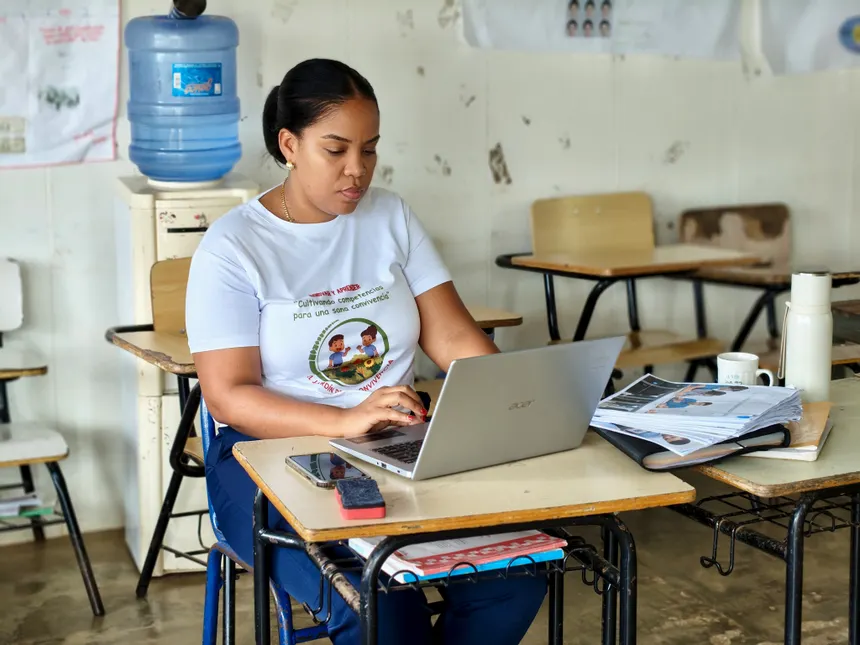
- Think of observations as a conversation rather than a test.
- If you haven’t seen the criteria or observation form, ask for it upfront. Saves a lot of worry.
- Just remember: this is about everyone improving together - you, your learners, your department.
Key Differences Between Formal and Informal Observations
Right, so what’s the actual difference between a formal and an informal observation? Speaking as someone who’s been both observed and the observer, the two can feel oceans apart. In Tokyo, I’ve had both the “every form filled, everyone tense” kind, and the drop-in surprise that leaves you scrambling for your lesson plan while trying not to look startled. Formal observations usually get booked ahead, come with clear paperwork, and end with a meeting. They almost always feed into your annual review or whatever performance procedure your institution follows. Informal observations, in contrast, tend to sneak up on you, feel more relaxed, and often focus on sharing ideas or getting a bit of quick input from a mate. Let’s see how that looks:| Aspect | Formal Observation | Informal Observation |
|---|---|---|
| Scheduling | Pre-arranged, date and time agreed | Often unannounced or short notice |
| Purpose | Performance appraisal, quality assurance | Developmental, peer support, sharing good practice |
| Documentation | Written feedback, structured forms | Brief notes, oral feedback, sometimes none |
| Feedback | Usually detailed, linked to criteria | Informal, conversational, immediate |
| Impact | May inform appraisal or progression | Primarily developmental |
- Check with your manager or whoever’s observing to be clear what sort of observation you’re having.
- Ask to see the observation rubric or feedback form ahead of time.
- For informal ones, just pick one or two areas where you’d love feedback. No need to overhaul everything.
Planning Your Lesson for Observation Success
So, let’s get this out of the way: planning a lesson you know will be observed isn’t quite like planning a run-of-the-mill Tuesday. But you don’t need to put on a whole stage act either. Observers want to see you at your best, yes - but also doing what actually works for your learners. Start with your learning outcomes. Observers want to see you’ve thought about what students will achieve, and how you’ll know they’ve made progress. Make the structure obvious - intro, main tasks, review, and a tidy ending. And keep differentiation in mind: who’ll need a nudge, who’s likely to whizz through and need a stretch? That’s always a key question I ask myself.
Pro Tip: Have a short, written rationale for your lesson decisions. Even just a quick note. It always helps if you’re doing something a bit different or have had to tweak things for your group.
Some planning bits to double-check:
- Clarity: Spell out your lesson aims, in your plan and out loud to students.
- Sequencing: Make sure each step follows logically so you’re building towards your goals.
- Engagement: Mix things up. Include some interaction - don’t slide into giving a long lecture (easy to do when you’re nervous!).
- Assessment for learning: Slot in some quick checks - anything from pair work to an exit ticket - so you can see what’s landing.
- Resources: Gather your handouts and tech early, and have something simple up your sleeve if your main plan goes sideways.
- Timing: Work out the time for each activity, but be ready to flex. Sometimes a discussion just needs a bit longer.
- Always have a plan B for tech or group hiccups.
- Stick to your normal style - it’s what you’re best at, after all.
- Be prepared to talk through your choices if someone asks.
Classroom Management Tactics That Impress Observers
Here’s the thing: classroom management pulls everything together. Especially when someone’s watching. It’s not about being some kind of strict disciplinarian - it’s about building a space where everyone can get on and actually learn. In my time training teachers from Leeds to Madrid, I’ve seen even tiny changes to routines or transitions make a world of difference. Observers are usually watching for calm authority, clear routines, and positive relationships. They’ll look for students who know what’s expected, and lessons that flow without a hitch - or, when hiccups happen (and they will), that you deal with them quietly and professionally.
- Build routines for getting lessons started and finished smoothly.
- Use clear signals (words, hand, bell - whatever works) to get attention fast.
- Move around the room. Physical presence always helps.
- Handle off-task behaviour in private where possible - no need to turn it into a spectacle.
- Use students’ names, keep eye contact, and hand out praise when it’s earned.
- Be crystal clear with instructions. Vague or rambling directions mean lost time and confusion.
Pro Tip: Practise giving your instructions out loud before the lesson. It’s amazing how many snags you spot - plus you’ll sound much more confident when it matters.
One of my favourite memories is of a trainee in Newcastle who started using a “hands up, eyes on me” move every time she needed the class’s attention. The whole class dynamic changed. Observers tend to notice the atmosphere more than you think.
- Model the respect and inclusivity you want to see.
- Have a seating plan or a go-to grouping strategy up your sleeve.
- Show what you do if something flops - adaptability is a superpower, honestly.
Reflective Practice: Using Feedback for Continuous Improvement
Observation over, you survived (phew) - now comes the feedback discussion. This stage is where you really grow, assuming you go in ready to listen. I’ve had plenty of these, both as a teacher (gulp) and as an observer (less nerve-wracking but still important). The best feedback sessions I’ve been part of are open and specific. Feedback ought to be a conversation, not a delivery. Ask questions, check your understanding, and think about what you might change next time round. Even critical feedback is meant to help you get better, not knock your confidence.Try these for making the most of feedback:"Feedback isn’t just about fixing problems; it’s about uncovering strengths and building on them for the benefit of learners."
- Dr. Hannah Miles, Senior Lecturer in TESOL
- Jot down what’s said during the meeting (memory isn’t enough, trust me).
- If you get vague feedback, ask for a concrete example - “Could you point to where my instructions were unclear?”
- Choose just one or two things to work on, instead of swearing to change everything overnight.
- Meet your observer again later to talk progress, if you can.
- Keep a reflective journal so you can actually see how you’ve grown over time.
- See feedback as a tool, not a verdict on your worth.
- Tie it in with your professional development targets.
- Share your thoughts with colleagues you trust. That peer-to-peer support is gold.
Common Challenges and How Experienced Teachers Overcome Them
Let’s not pretend everything goes to plan just because you’re experienced. Observed lessons can unravel in all sorts of ways: tech lets you down, students are unsettled, or your clever activity just tanks. Once, in Glasgow, I was halfway through a key lesson when a fire drill sent us all out - so much for that! So what do seasoned teachers do? Firstly, they keep their cool and show students how to deal with change. Secondly, they improvise using their knowledge of the class. Thirdly, they reflect and talk things through after, so the “oops” moments become learning ones.The usual hurdles, and some strategies:"What distinguishes experienced teachers is not that nothing ever goes wrong, but that they recover quickly and use setbacks as springboards for improvement."
- Alan Bristow, ELT Consultant and Trainer
- Nerves: Try some breathing, mindfulness, or stick to simple routines to settle yourself before.
- Unexpected behaviour: Re-establish your ground rules calmly - no panic needed.
- Time getting away from you: Focus on the main stuff. It’s fine to drop something rather than rush everything.
- Technology fails: Always, always have a back-up plan that doesn’t need gadgets.
- Blank faces: Switch to pair or small group work to let students think, then regroup.
Pro Tip: Debrief with a trusted colleague after a rocky lesson. Talking it over helps you spot the positives, even if it all felt a bit messy at the time.
Back when I taught in a tiny village in Spain, sometimes my class would be observed by teachers who barely spoke any English. Well, actually... that pushed me to focus on gestures and modelling, which turned out to be helpful everywhere else I’ve taught too.
- Prep well, but let go of the idea you can control every detail - adaptability is your friend.
- See setbacks as just part of the journey, not a sign you’ve failed.
- Share your takeaways with others - everyone benefits from a bit of honest reflection.
Expert Perspectives on the Evolving Role of Teacher Appraisal in ELT
Over the past ten years or so, teacher appraisal in English language teaching has really changed. We’ve shifted away from the old “top-down, box-ticking” models to something much more collaborative and supportive. When appraisal’s seen as part of a culture of trust and ongoing learning (I’ve seen this in action with The Propannex Council’s research), teachers almost always report feeling more valued, and students benefit too. Here’s a telling statistic: In a 2023 survey with 1,500 ELT teachers, 72% said they actually changed their practice after an appraisal that included peer observation and reflection. Compare that to just 38% who felt traditional “tick-box” reviews made any real difference.So, what’s behind these changes? A few things, actually:"The future of appraisal is dialogic, not diagnostic. We’re seeing a move towards coaching, peer feedback, and self-assessment, all underpinned by shared standards."
- Dr. Priya Menon, Assessment Researcher, The Propannex Council
- Greater recognition that teacher trust and agency matter most for real development.
- More talk about national and international professional standards for teachers.
- A real push towards more learner-centred and inclusive approaches.
- Bringing appraisal in line with ongoing professional development.
- Stand up for evidence-based, developmental approaches where you work.
- Connect with professional organisations like The Propannex Council to keep up with changes.
- Get your voice in the mix about what good teaching really looks like.
Taking Action: Leveraging Observation Outcomes for Career Growth
Observations and appraisals aren’t just hoops to jump through. In my experience, they can actually open doors - I’ve seen teachers in Liverpool use observation feedback to step into mentoring, run workshops, or sign up for extra qualifications with respected training providers. The real trick is treating every observation as a source of little bits of evidence you can act on. Which new skills did you show off? Which gaps can you work on? How do they fit with what you want from your career, short or long term?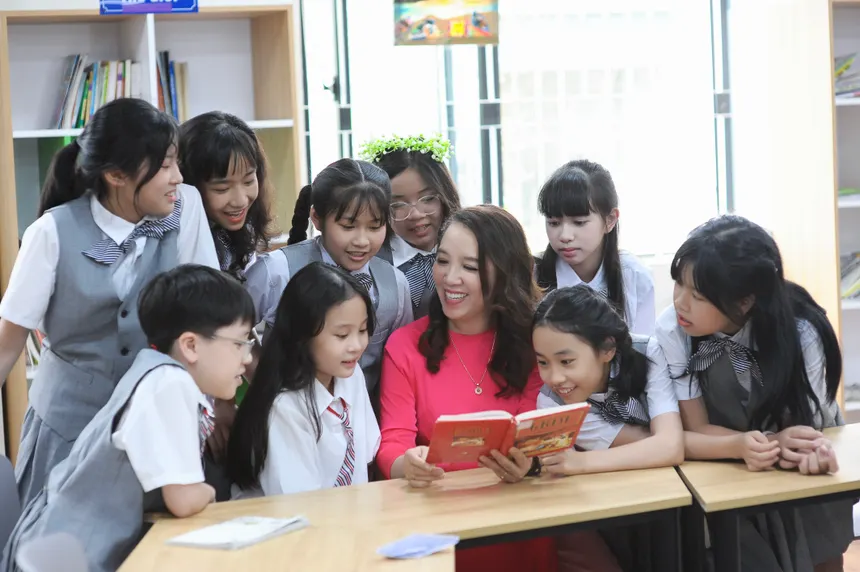
Pro Tip: Keep a portfolio with your observation feedback, lesson plans, and samples of student work. When interview time comes or you’re after a new post, it’s brilliant evidence for how far you’ve come.
Some smart steps to make appraisals work for you:
- Set clear, SMART targets for your own development after each observation.
- Take the chance to observe colleagues too and widen your perspective.
- Use your observation record when applying for leadership posts or Council membership.
- Talk about what you’ve learned - and where you’ve struggled - at staff meetings or workshops.
- Each year, try to reflect on what’s changed in your practice - and update your CV while you’re at it.