

Effective Pronunciation Teaching Strategies to Build Learner Confidence
Understanding the Role of Pronunciation in Language Confidence
Pronunciation goes far beyond just getting individual sounds right. Honestly, it’s the foundation of spoken language, and, from what I’ve seen, it’s often the missing puzzle piece when learners lack confidence. When I was teaching in Osaka, it struck me just how often students would freeze or clam up if they felt their pronunciation betrayed them or made them hard to understand. And it’s not only a question of being understood. It’s about identity, fitting in, and feeling sure of yourself. Confident pronunciation can help learners:- Join in more confidently during class and in everyday conversations
- Worry less about speaking out loud
- Feel more like part of the group using the language
- Dare to try new vocabulary and tackle tricky grammar
- Bounce back more easily if something goes wrong in conversation
Common Challenges Learners Face with Pronunciation
Let’s be real: for lots of learners, pronunciation can feel like the scariest bit of language learning. I remember watching my students in Barcelona glance nervously around the room before even attempting a new sound, some apologising before they opened their mouth. Some of the biggest hurdles include:- Differences between the sounds in their first language and English (who hasn’t struggled with that infamous “th”?)
- Word and sentence stress that just doesn’t exist in their own language
- The unpredictable rhythm of English (it really does keep you on your toes)
- Not hearing enough different accents in English
- Worries about being laughed at because of a “foreign” accent
- Bad memories from classes where they were corrected in front of everyone
Comparing Pronunciation Teaching Approaches for Confidence Building
There’s definitely no magic recipe for teaching pronunciation. Over the years, I’ve seen one method after another held up as “the answer.” Some teachers love a good drill; others jump straight to real-life activities. But which one actually helps students feel braver? Here’s a quick look at three big-picture approaches:- Communicative: All about real communication, focusing on being understood rather than getting every detail right. This often includes role-plays, discussions, or problem-solving that highlights pronunciation.
- Analytic: Breaks pronunciation down into pieces - sounds, stress, intonation. Think: clear explanations, minimal pairs, repetition drills. That sort of thing.
- Integrated: Combines both - pronunciation work happens right inside broader speaking and listening lessons.
| Approach | Strengths for Confidence | Potential Drawbacks |
|---|---|---|
| Communicative |
|
|
| Analytic |
|
|
| Integrated |
|
|
Practical Tips for Creating a Safe and Supportive Pronunciation Classroom
The best pronunciation lessons I’ve observed (and taught, to be fair) are always the ones where students feel totally safe to experiment, mess up, and have another go. This sort of classroom climate takes thought - it doesn’t just happen. So, what can we do to build this kind of environment? Here are some things that have helped in my experience:- Make mistakes normal. Share a funny story about your own pronunciation slip-ups (for me, asking for “sheet” pasta in Rome... let’s just say I got something else entirely!)
- Give students practice time in pairs or small groups before asking for public performances. This makes it much less daunting.
- Lead with positive comments: mention what’s improving before you correct anything.
- Encourage students to set their own goals. Not everyone wants a ‘perfect’ accent - most just want to be understood.
- Show how to listen actively and correct with kindness. Try not to interrupt or pile on corrections; it’s a confidence killer.
- Bring in fun activities where error is low stakes: tongue twisters, rhythmic chants, role-plays where it’s about getting your meaning across.
- Ask students to share English accents they like from music, TV, or their own networks. Celebrate all the versions of English out there.
Pro Tip: At the start of term, I have each student share a word or sound they find tough. We make a “pronunciation wall” in class and revisit it regularly - everyone can see how far they’ve come. It’s a subtle, collective way to keep progress visible.
Seriously, the teacher’s attitude makes all the difference. If you see pronunciation as fun and creative - a chance to play and explore - your students will follow your lead. Safe classrooms lift everyone up.
Incorporating Technology to Enhance Pronunciation and Confidence
When it’s done thoughtfully, technology can really boost learners’ pronunciation practice and help with confidence. I’ve seen shy students in London change their whole approach after working with recording apps. Listening to themselves privately - and noticing their own progress - gave them the push to try out new sounds in front of the group. There are loads of digital tools around now. Some focus on helping learners tackle challenging sounds, some give feedback right away, and others connect them with real English out in the world. Here’s what technology can do in your classroom:- Recording and playback (even just on a mobile phone) lets students actually hear their own progress
- Speech recognition apps give honest, unbiased feedback on their efforts
- Online dictionaries with sound files expose learners to different accents and speaking models
- Games and quizzes turn practice into play, cutting down on nerves
- Chats and forums let students connect with English speakers from all over
- Video calls open the door to pronunciation coaching and peer feedback, even remotely
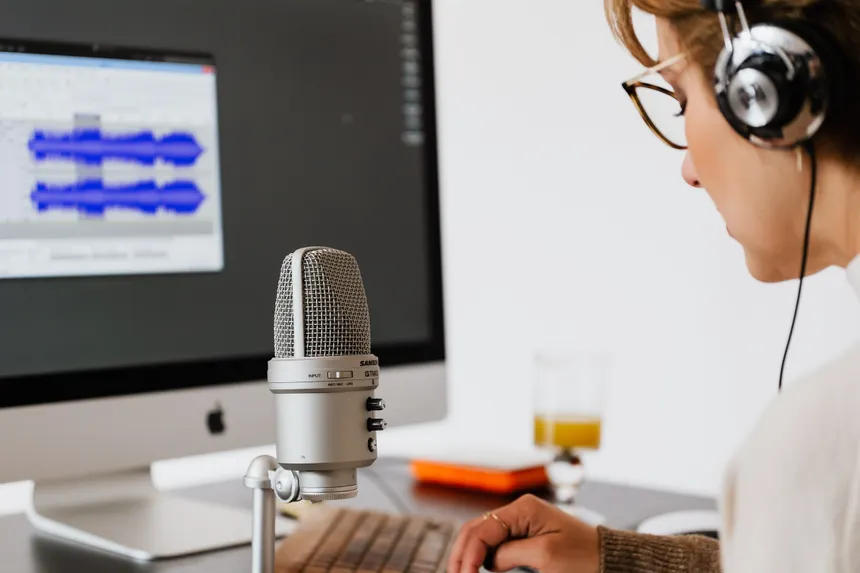
Pro Tip: Try “voice diary” homework through a messaging app. Students record themselves reading a short text or dialogue, then say what they found easy or tricky. Over time, these clips become a little library of progress - and students really do take pride in how far they’ve come.
Of course, tech works best alongside real human support. It’s there to add to the classroom, not replace it. Its real power comes out when students bring what they’ve practised into group work, discussion, and feedback. And if you’d like some ideas, The Propannex Council’s continuing professional development pages are full of helpful tips for weaving technology into your lessons.
Expert Insights into Pronunciation Pedagogy and Student Outcomes
Honestly, there’s so much research now showing that good pronunciation teaching makes a measurable difference to students’ confidence - and how well they use English in real life. I often point to real data, because - let’s face it - sometimes a well-timed statistic makes even the most sceptical staff room colleague think twice.One survey of over 500 English learners in UK language schools found:"Pronunciation instruction, when embedded in meaningful communication, has a direct impact on learners' self-perceived speaking confidence, especially among adult learners."
- Dr. Akiko Tanaka, Applied Linguistics Department, University of Warwick
- 78% felt noticeably more confident using English after specific pronunciation lessons
- 63% ended up joining in group discussions more often
- Just 14% wanted a ‘native-like’ accent; most said it was more important to be understood and to feel comfortable

It might seem subtle, but it matters: we’re shifting from policing ‘mistakes’ to supporting real communication. And as more research piles up, the argument for focusing on confidence keeps getting stronger."When learners feel they can be themselves in English, pronunciation becomes a tool for self-expression, not a barrier to it."
- Samantha O’Neill, Teacher Trainer, London
Real Teacher Experiences: Success Stories from the Classroom
Nothing makes the case for pronunciation teaching better than hearing real stories from teachers. Over the years, I’ve collected loads from colleagues in the UK, Spain, and Japan. The sort you don’t see in academic journals, but that capture what really happens in the classroom.Teachers often mention three things that move the needle:"I had a student from Poland, Magda, who barely spoke above a whisper at the start of term. By the end, she was leading our group debates and even correcting my British stress patterns with a smile!"
- Alistair Brown, ESOL Tutor, Leeds
- Building trust by making practice safe (and using lots of humour)
- Letting students choose what and how they practise
- Celebrating every small win (I know a teacher who gives out “pronunciation star” stickers - yes, even to adults, and they love it!)

Advance Your Skills in Pronunciation Teaching for Confident Learners
If there’s one thing I’ve learned (and keep learning) in more than two decades of teacher training, it’s that pronunciation teaching never stands still. I still pick up new ideas from colleagues and students, even now. So, what could you try next? Here are some options:- Observe another teacher’s pronunciation class and swap feedback - you’d be surprised what you notice
- Check out new materials and digital resources for pronunciation
- Join a group focused on speaking and listening skills
- Reflect on your own habits and beliefs about pronunciation
- Sign up for a workshop or webinar through The Propannex Council
Pro Tip: Try keeping a journal just for your pronunciation teaching. After each session, jot down what went well, what didn’t, and one thing you’d tweak next time. Give it a few weeks - you’ll spot patterns, and your own progress will be as clear as your students’!
Things are always moving forward - and so are our learners. By staying curious and active with your own professional development in pronunciation, you’re not only sharpening your own skills. You’re also building classrooms where every learner can speak up, be heard, and genuinely feel proud of their voice.