
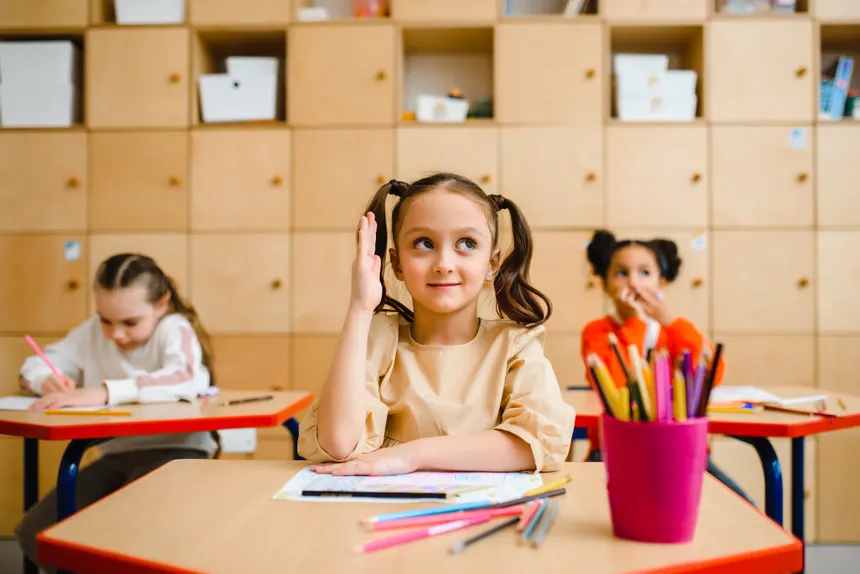
Understanding Young Learners in the ELT Classroom
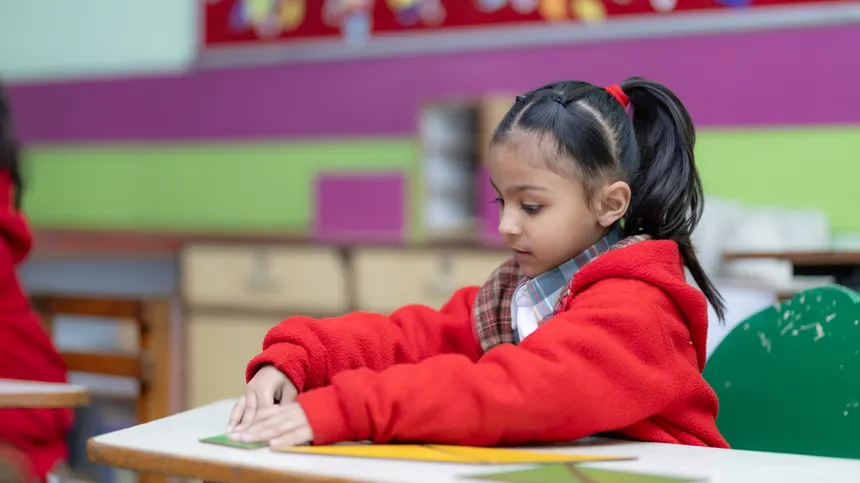
- Short attention spans: If you don’t switch up activities regularly, you’ll lose them. Fast.
- Need for physical activity: Movement isn’t just a way to burn energy - it actually helps them learn.
- Developing literacy skills: Plenty are still getting to grips with reading and writing in their own first language.
- Reliance on context: Visuals, gestures, props - all those extras are often essential for understanding.
- Strong sense of fairness: They notice (and care about) fair treatment and thrive on routines they can trust.
Core Principles That Enhance Young Learner Engagement
When you want to get young learners genuinely involved, there are a few things that always seem to help. It’s rarely about glitzy tech or the latest apps; it’s about creating a space where kids feel curious, safe, and that little bit brave. In all my years with The Propannex Council and before that, I’d say these are the big principles I see in classrooms that really work:- Play-based learning: Childhood is full of play. With games, songs, and make-believe, English feels fun and natural, not forced.
- Scaffolding: That means gradually giving less help as children get more confident. Sentence starters, visuals, practising together - all help build independence.
- Age-appropriate content: Materials need to matter to children - dinosaurs, superheroes, fairy tales. Let’s be real, ‘business meetings’ don’t spark much excitement at this age.
- Routine and structure: Predictable routines help kids feel comfortable and less anxious.
- Active participation: Kids should be up, talking, moving, working together. Too much sitting and listening? Not very effective, to be honest.
- Positive reinforcement: Notice their effort - not just if they get the answers right, but when they try something new.
Pro Tip: When you’re planning, try this: “Where will kids talk, move, and laugh?” If you’re drawing a blank, squeeze in a game or a chant, or let them work together.
I once saw a fantastic example in Istanbul: a teacher set up a treasure hunt to practise prepositions. The children were so into finding clues that they barely realised how much English they were using. Learning by doing, in action.
Routines really do matter. In a Cape Town school, I saw how the simple habit of starting with greetings, a song, and a ‘question of the day’ helped even the quietest kids feel they belonged. The structure didn’t squash their creativity; it actually gave them the freedom to focus.
So if you’re ever stuck: make things playful, give structure, and make sure it all fits what’s real and interesting for children. Engagement isn’t about entertaining - it’s about giving them the right kind of challenge.
Comparing Global Approaches to Teaching English to Children
It always strikes me just how varied the approaches to teaching English to young learners are from country to country. At the same time, though, there are patterns you can spot everywhere. Well, actually - no one approach is perfect everywhere. Let me explain. Look at Japan: English teaching for youngsters often revolves around group songs and oral activities, with speaking front and centre. In Finland, children are immersed in English through playful projects that cross subjects - grammar comes much later. In Colombia, there’s a shift towards tasks and communication, but in some places classes are still quite teacher-led. Here’s a brief look at what’s happening around the world:| Country | Main Approach | Key Features |
|---|---|---|
| Japan | Song- and play-based; oral focus | Emphasis on group work, native-speaker assistants, little formal writing |
| Finland | Immersive, project-based | CLIL methods, cross-curricular links, late introduction of grammar |
| Colombia | Task-based, mixed | Growing communicative focus, but sometimes teacher-led, large classes |
| India | Textbook-driven, mixed | Urban/rural divide, rote learning in some areas; increasing use of CLT |
| Spain | CLIL and communicative | Content-based lessons, team-teaching with subject specialists |
Integrating Play, Songs, and Stories for Effective Learning
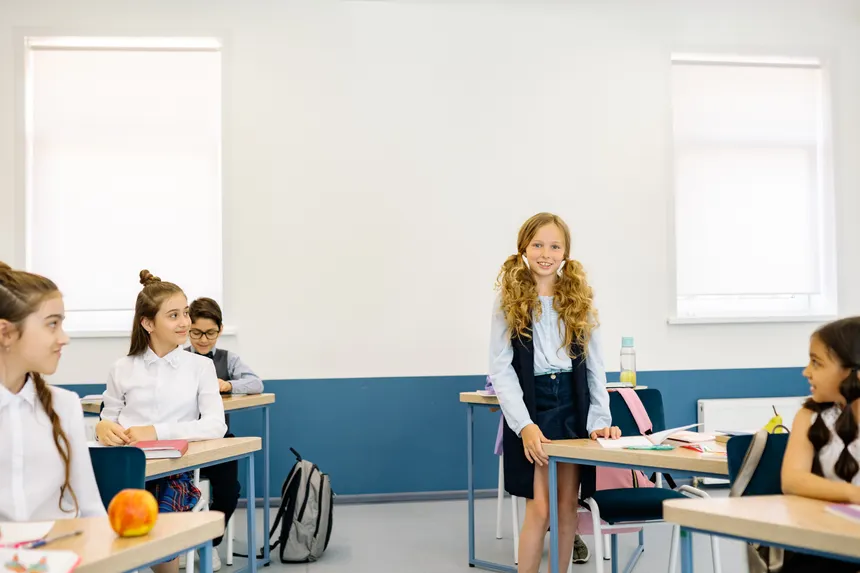
- Songs: Repetitive tunes with rhythm really help with pronunciation and vocabulary - even the quiet children usually join in.
- Stories: The way stories are built helps understanding. Plus, stories give real context and emotion and show how language actually works.
- Play: Games are a no-pressure chance to use and try out new language, and to reuse what they already know.
- Role-play and drama: Through acting, children don’t just learn English - they experience it.
- Art and craft: Creative projects give them something concrete, while linking language with other skills.
Pro Tip: Keep a ‘favourites bank’ of songs and stories you can return to. The more children revisit them, the more confident they get - and they absolutely love the familiarity.
Some easy ways to bring play, songs, and stories into class:
- Kick off your lesson with a song or chant. It sets the tone and helps mark transitions.
- Use a picture book to spark follow-up crafts, role-play, or maybe even an outdoor scavenger hunt.
- Turn grammar into a game - things like ‘preposition relay’ or ‘adjective bingo’ work wonders.
- Let kids retell stories in their own words, or draw what they remember best.
Tips for Managing Young Learner Classrooms Successfully
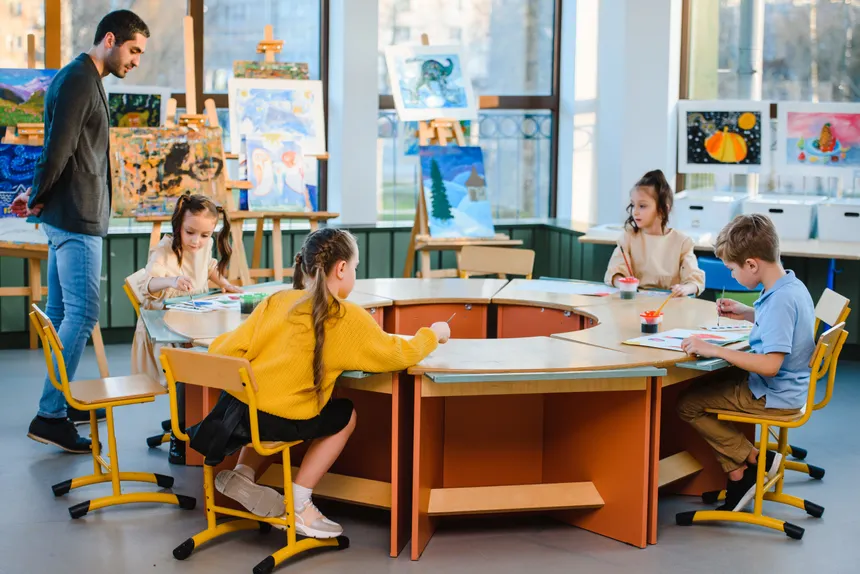
- Set clear expectations: Use simple, positive words so routines and rules make sense.
- Be consistent: Kids need to know what’s coming. Predictability helps them feel safe.
- Use visual cues: Photos, signs, gestures - these help, especially for beginners.
- Keep transitions smooth: Changing activity? Try a song, clapping pattern, or a countdown.
- Offer choices: Let them pick (within limits). It gives them a bit of control and motivation.
- Notice the positive: Point out effort and teamwork - not just right answers.
- Plan for movement: Schedule in time for stretching, dancing, or a quick game.
Pro Tip: Spotting restlessness? Don’t just push through. Take three minutes for a stretch or ‘touch your toes’ game - that little break can totally change the atmosphere.
One of my favourite tricks - I picked this up from a colleague in Bristol - is the ‘mystery helper’. Each day, secretly pick one child to watch for great behaviour. At the end, announce the ‘mystery helper’ and give them a special job the following day. You’d be surprised at how hard the whole class will work for this!
And if things unravel (which sometimes, inevitably, they will), remember: kids act out for a reason. Maybe they’re bored, confused, or just desperate to move. Try responding with kindness, and flex your plans a bit.
- Have a calming corner where kids can take a breather if needed.
- Give ‘wait time’ after a question so they have space to think.
- Let them help make class rules - if they own the rules, they’re much more likely to follow them.
Expert Insights: Research-Backed Strategies for Young Learner Success
If you’re wondering whether playful, child-led teaching really pays off, research says absolutely yes. Loads of studies - including those we dig into at The Propannex Council - point to the same thing: young learners thrive in classrooms that are active, communicative, and supportive.Just think: in 2022, there was a study that showed children in classes with daily songs and role-play remembered about 30 percent more vocabulary after six weeks, compared to the ones just ploughing through workbook pages. Another big analysis - this one covered 15 countries - found that classes with lots of movement and group work had happier, more motivated students and less anxiety. What works, according to research:"Children’s brains are hard-wired for pattern, play, and social interaction. The most powerful English lessons are those that harness these natural drives."
- Dr. Angela Mitchell, TESOL Researcher, University of Warwick
- Frequent speaking opportunities: Kids need to talk in English, not just listen.
- Rich input: Give them real stories, proper songs, and plenty of genuine teacher talk.
- Responsive teaching: Change things up to match their interests and needs. Personalised lessons have a bigger impact.
- Formative assessment: Notice what’s happening as it happens. Don’t just rely on tests at the end.
Honestly, the most effective classrooms aren’t always the quietest. If there’s laughter, chatting, moving around - you’re probably on track. If you want to dig deeper, why not look into continuing professional development? Or take a look at the professional standards over at The Propannex Council."The evidence is clear: engagement and emotional security are prerequisites for effective language learning in children. Teachers should prioritise connection over correction."
- Prof. Carla Jimenez, Early Years Language Research Group
Voices from the Field: Teachers Share Their Best Practices
I’ve always believed that other teachers are our greatest resource. The way they adapt, improvise, and pour themselves into their work never fails to inspire me - I hear something new every month. Here are a few gems from the classroom frontlines:A teacher in Hanoi once told me she wraps up every lesson with ‘Two Stars and a Wish’ - each child shares two things they did well and one thing they’d like to try next. The focus shifts from simply performing to actually growing, and that really keeps kids engaged."I use a ‘language detective’ game where children listen for new words during story time and get to wear a detective badge when they spot them. It’s amazing how motivated even the quiet children become."
- Sara Patel, Primary Teacher, Birmingham
Pro Tip: Start with relationships. Find out what your students love - Pokémon, football, superheroes, whatever’s the current craze - and use these as the jumping-off point for lessons.
Some practical tips I’ve gathered along the way:
- Mix up classroom jobs - let the kids be helper, timekeeper, or lead the song.
- Plan for ‘brain breaks’ every quarter of an hour. It keeps things fresh.
- Make a ‘wow wall’ to show off their effort and achievements. Pride builds community.
- Kick off the year with a ‘get to know you’ project. Family photos, favourite objects, anything that helps everyone connect.
The big takeaway is simple: children do best when they feel like they belong, can expect a surprise or two, and know their efforts matter."When my class is restless, I grab my guitar and we sing our ‘clean-up’ song. It brings everyone together and helps transition to the next activity."
- Juan Carlos Morales, English Teacher, Bogotá